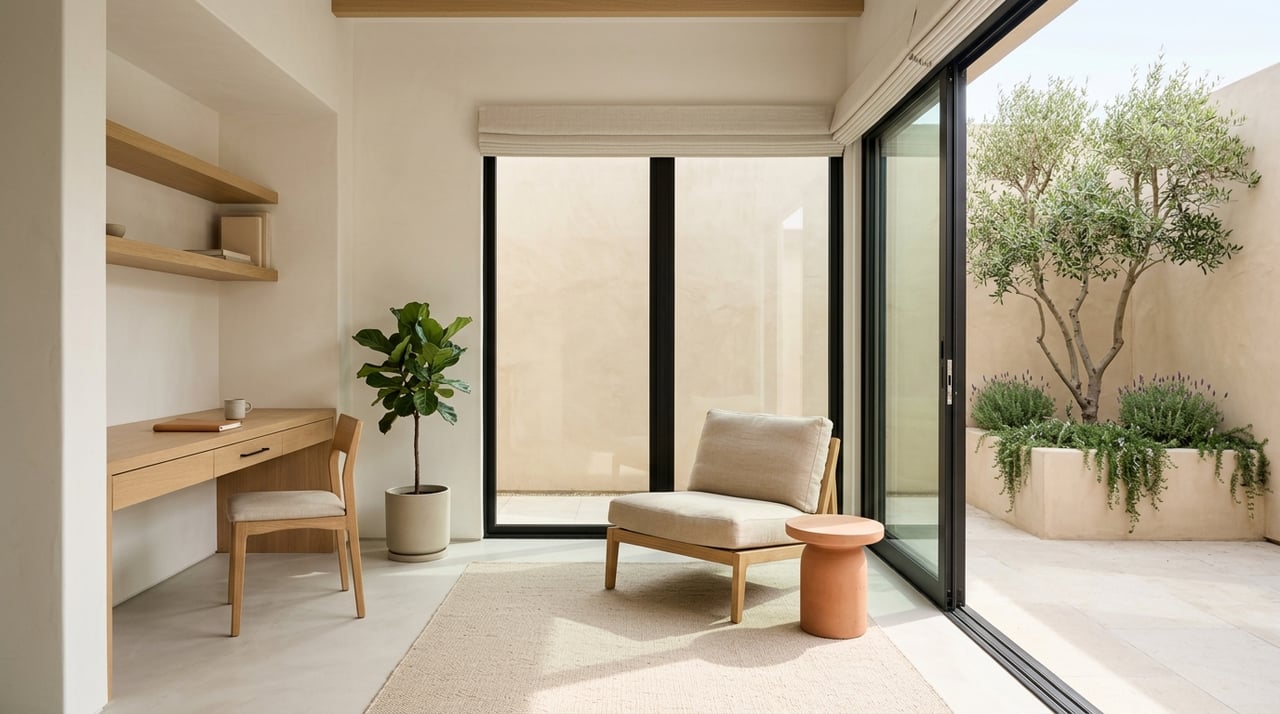
Ever notice how some Venice rentals feel instantly bookable while others look good online but fall flat in person? In a neighborhood shaped by the beach, the Boardwalk, Abbot Kinney, and a deeply visual design culture, guests usually want more than a place to sleep. They want a stay that feels easy, polished, and connected to how they plan to spend their time. If you are designing or repositioning a Venice home for short-term stays, the right choices can improve comfort, support stronger reviews, and make your listing more competitive. Let’s dive in.
Venice design starts with the guest day
Venice is not a stay-inside-all-day kind of market. The area draws visitors with the beach, Muscle Beach, handball and paddle tennis courts, a skate plaza, volleyball courts, a bike trail, a fishing pier, and the two-mile Boardwalk, which attracts more than 10 million visitors a year. Nearby, Abbot Kinney adds boutiques, galleries, salons, restaurants, bars, and design-forward retail.
That local context matters because it shapes what guests expect from the home. In Venice, a strong short-term rental should support movement between outdoor activity and indoor recovery. Your layout, storage, and furnishing plan should make that rhythm feel effortless.
Build for arrival and re-entry
A Venice guest often comes home with sandy shoes, towels, shopping bags, or gear from the beach and bike trail. That means your entry sequence should do more than look attractive in photos. It should help guests put things down, get organized, and settle in fast.
A simple landing zone can do a lot of work. Think benches, hooks, durable flooring, and a clear place for shoes, bags, or beach items. If the property allows it, secure storage for bikes, boards, and beach gear also makes practical sense for the neighborhood.
Give work a real place
Many guests still need to answer emails, take calls, or work for part of the day. Airbnb host guidance notes that a dedicated workspace can be as simple as a table near a power outlet with a comfortable chair, and that living rooms, dining areas, or patios can work too. The key is making it feel intentional, not improvised.
In Venice, that workspace should blend into the design of the home. A small desk, good light, and a calm backdrop can support both usability and listing photos. If you include a workspace, show it clearly in your photography.
Calm interiors win in an active setting
Venice is visually rich and highly active outside. That is exactly why the interior should feel composed. Guests may spend the day in busy public spaces, so the home should read as a reset zone rather than a themed extension of the Boardwalk.
This does not mean the design should feel bland. It means the space should feel edited. A restrained coastal base with texture, warmth, and a few confident design moments will usually age better than novelty decor built around beach clichés.
Use a restrained coastal palette
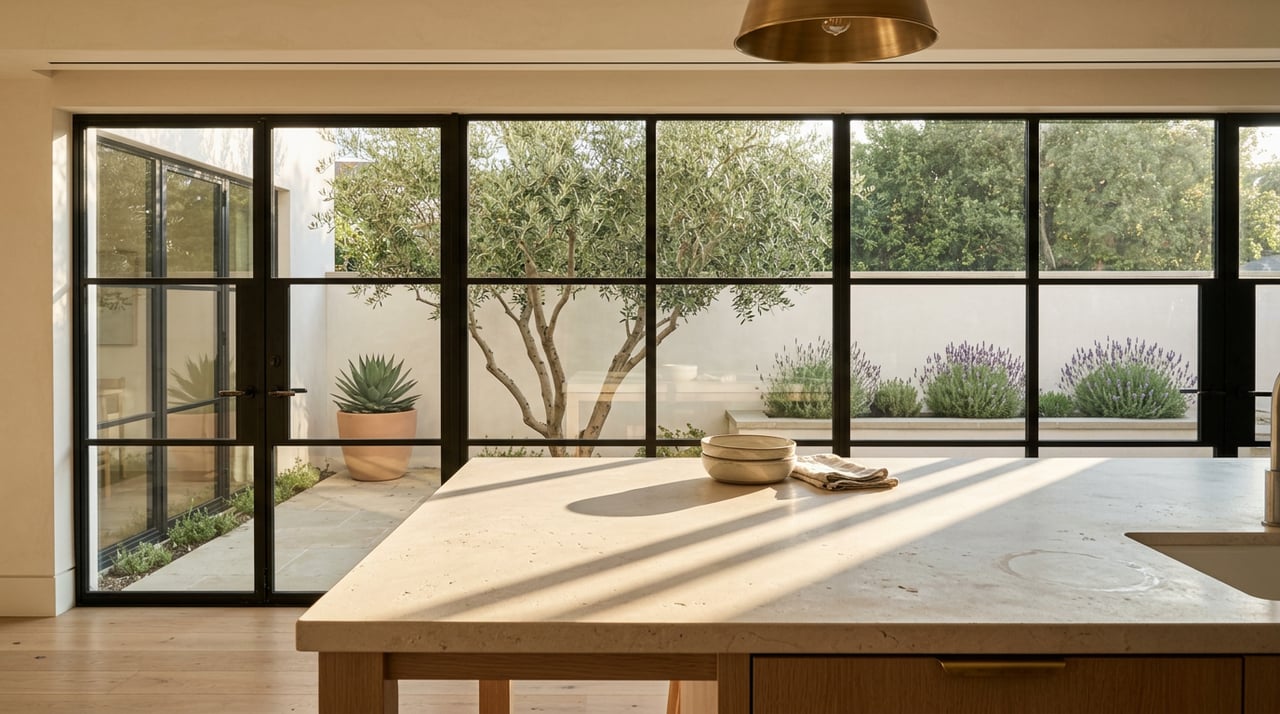
Venice already supplies the color and energy outdoors. Inside, a softer palette can help the home feel livable and elevated. Warm neutrals, pale woods, woven textures, ceramics, and a few deeper accents can create that relaxed California feel without pushing too hard.
This approach also fits the neighborhood. Venice has murals, galleries, and design retail, so guests are likely to respond to interiors that feel intentional and local. A home that looks editorial but still comfortable tends to align well with that context.
Choose art with restraint
Art can help a Venice rental feel specific to place, but too much can tip into clutter. A few larger pieces often work better than many small ones. Strong photography, abstract work, or pieces with subtle coastal references can add identity without overwhelming the room.
The goal is not to create a set. The goal is to create a home that photographs well, feels memorable, and still leaves room for guests to relax. In review-driven stays, comfort and clarity usually matter more than decorative excess.
Design for reviews, not just photos
Beautiful photos matter, but they are not the whole story. Research cited in your source material found that listings with verified, professionally shot images had 8.98% higher occupancy than host-shot images. Another study found that showing a living room in the background image increased booking rate by 35% in that sample.
Just as important, the same research suggests that content within the image matters more than pure image aesthetics. Living rooms, bedrooms, and interior design details had stronger effects on demand than factors like brightness or contrast alone. In other words, the design itself has to do the work.
Prioritize the rooms guests judge most
Guests tend to notice the spaces they use repeatedly. That usually means the living room, bedroom, bathroom, and kitchen or dining area. If your budget is limited, invest first where comfort and function are most visible.
Focus on:
- A living room with clear seating, layered lighting, and a layout that feels social but uncluttered
- Bedrooms with quality bedding, blackout shades, and a sense of separation from active areas
- Bathrooms that feel clean, durable, and easy to maintain
- Dining or kitchen zones that support morning coffee, takeout, and casual meals
Make the living room earn the click
In Venice, the living room often carries a lot of the emotional weight of the listing. It should feel bright but grounded, styled but not fragile, and useful for real downtime. Guests should be able to imagine coffee in the morning, a post-beach reset, or a quiet night in.
That means avoiding overfurnished layouts or pieces that look great but sit poorly. Durable upholstery, washable textiles, and a coffee table that can actually hold real use are often smarter choices than trend-driven statement pieces alone.
Sleep quality is a performance feature
One of the clearest takeaways from Airbnb review research is that noise can drive negative sentiment. Research also identified sleep disturbance, privacy and safety, comfort, cleanliness, and interior design as recurring guest concerns. In a place like Venice, where outdoor activity is part of the appeal, sleep quality becomes a design priority.
You do not need to overbuild the home to address this. But you should make thoughtful choices that help guests rest well and feel buffered from the street.
Improve quiet and light control
Start with the basics that guests notice right away:
- Blackout shades or lined window treatments in bedrooms
- Upholstered beds, rugs, and textiles that soften sound
- Solid bedroom doors and quality hardware
- Layered bedding that feels substantial and comfortable
- Nightstands, reading lights, and charging access on both sides when possible
These details read as hospitality, not just design. They also support the kinds of positive reviews that help drive future demand.
Durability should still feel elevated
Short-term rentals work hard. Furniture gets more turnover, surfaces get more cleaning, and small failures show up quickly in reviews. That is why the strongest Venice properties balance editorial polish with materials that can handle repeated use.
You do not have to sacrifice style to get there. You just need to choose finishes and furnishings that wear well and still fit the neighborhood’s design language.
Pick materials for real turnover
Good options often include performance fabrics, washable slipcovers, wood or wood-look surfaces with texture, matte finishes that hide wear, and rugs that can tolerate regular cleaning. In kitchens and baths, clean-lined materials that are easy to wipe down usually outperform delicate finishes.
This is especially important if you are activating the property as a furnished offering. Guests will remember whether the home felt solid, clean, and thoughtfully equipped. They will not reward a space that looks expensive but functions poorly.
Layout matters more than square footage alone
A profitability study cited in the research found that larger floor area, better accessibility, and proximity to tourist attractions were associated with higher nightly rates in its sample. While that study was not specific to Venice, the directional takeaway is useful. In a Venice setting, usable space and easy flow matter.
That means a modest home can still perform well if it feels intuitive. Circulation should be simple, seating should make sense, and storage should reduce visual noise. Guests respond to homes that feel easy to live in.
Create flexible, readable zones
If the home is compact, define each area clearly. A dining corner, a reading chair, or a small patio setup can make the property feel more complete without crowding it. The goal is to help guests understand how to use the space at a glance.
This also improves listing photos. Clear zones photograph better than multipurpose rooms that feel unresolved. In Venice, where guests are often choosing between many design-conscious options, clarity can be a quiet advantage.
Design within Los Angeles home-sharing rules
In Los Angeles, home-sharing rules are built around primary residences. City materials state that standard home-sharing allows up to 120 days per year, while extended home-sharing may allow more. Hosts must register with the City, post the registration number on all ads, and no person may hold more than one home-sharing registration at a time.
The City also defines a primary residence as the home where the host resides for more than six months of the calendar year. That makes legal setup part of the design conversation from the start. A high-performing Venice short-term rental should be planned as a compliant, livable home, not as a hotel-style conversion.
Avoid design assumptions that conflict with rules
City materials also note that home-sharing must occur in areas approved for residential use, and that garages, storage rooms, attics, recreation rooms, and temporary structures are typically not eligible. Units subject to the Rent Stabilization Ordinance are not eligible, and renters need landlord approval.
This is important when planning sleeping arrangements, storage, or bonus spaces. If a room is not eligible for home-sharing use, designing it as a guest bedroom can create problems later. The safer path is to align the furnishing plan with the actual legal use of the home.
Account for tax setup early
The City of Los Angeles says transient occupancy tax is 14% of rents collected and applies to stays of 30 days or less. The tax must be registered for and is due monthly. The Office of Finance also states that a Transient Occupancy Tax Registration Certificate is required within 30 days of starting business.
Operational details like these shape the viability of the property. If you are launching or repositioning a Venice home, the best results usually come from treating design, compliance, and guest experience as one strategy.
The Venice formula: polished, practical, local
The highest-performing Venice homes usually do not try to out-theme the neighborhood. They succeed because they feel considered. They connect to the area’s beach-and-design identity while solving the real needs guests talk about most in reviews: comfort, cleanliness, privacy, sleep, easy flow, and useful amenities.
That is where design becomes measurable value. When the home photographs well, functions well, and fits Los Angeles home-sharing rules, you give yourself a stronger foundation for occupancy, pricing, and guest satisfaction.
If you are thinking about buying, repositioning, or activating a Venice property for short-term rental use, working with a local expert who understands both design and revenue strategy can save you time and costly missteps. To explore a design-led, turnkey approach, connect with Joanna Steinberg.
FAQs
What design features matter most for a Venice short-term rental?
- The most important features are usually easy entry storage, a functional living room, quiet bedrooms with blackout shades, durable furnishings, and a workspace that feels intentional.
What do Venice guests typically expect from a short-term stay?
- Based on Venice’s beach, Boardwalk, bike trail, canals, murals, and Abbot Kinney setting, guests often expect a stay that feels stylish, walkable, comfortable, and easy to use after time outdoors.
What kind of decor works best in a Venice vacation rental?
- A restrained coastal look with warm neutrals, natural texture, and a few strong art pieces usually works better than heavy beach-themed decor or visually cluttered rooms.
Why are bedrooms so important in a Venice home design plan?
- Research on Airbnb reviews shows that noise, sleep disturbance, comfort, privacy, and interior design often shape guest feedback, so bedrooms should support rest with light control and sound-softening details.
What are the Los Angeles rules for home-sharing in Venice?
- Los Angeles says standard home-sharing is for primary residences, allows up to 120 days per year unless extended home-sharing is approved, requires City registration and ad disclosure, and limits each person to one home-sharing registration.
What spaces are typically not eligible for Los Angeles home-sharing use?
- City materials say garages, storage rooms, attics, recreation rooms, and temporary structures are typically not eligible, so your furnishing plan should match the legal use of the home.
What tax should Venice short-term rental hosts plan for?
- The City of Los Angeles says transient occupancy tax is 14% of rents collected on stays of 30 days or less, must be registered for, and is due monthly.