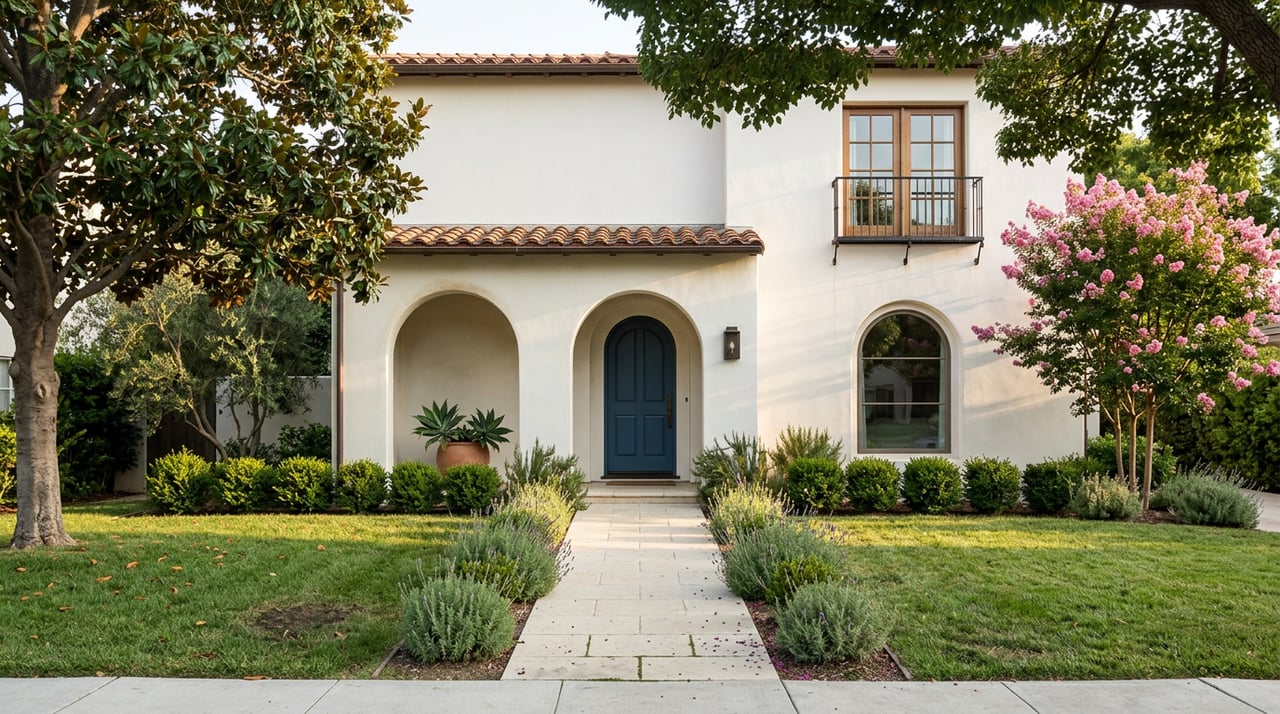
If your Culver City home is going to hit the market, the way it looks online matters almost as much as how it feels in person. In a city where buyers are digitally connected, move quickly, and often decide which homes are worth touring from a screen first, presentation is not a finishing touch. It is part of the selling strategy. This is where design-led staging can help you create clarity, stronger first impressions, and a more polished story before your home goes live. Let’s dive in.
Why staging matters in Culver City
Culver City is a compact, competitive Westside market. As of March 2026, Redfin reports that homes sell in about 37 days, receive an average of 3 offers, and have a median sale price of $1.45 million. In that kind of environment, your home does not need to be flashy. It needs to feel intentional and easy to understand.
That is especially true in a market where many buyers are reviewing listings online before they ever book a showing. Census data shows strong broadband adoption and high educational attainment in Culver City, which points to a buyer pool that is comfortable comparing homes quickly and carefully. If your rooms photograph clearly and read well at a glance, you make it easier for buyers to connect with the home.
What design-led staging really means
Design-led staging is not about filling a house with trendy furniture or hiding flaws under pretty decor. It is about translating your home for the market so buyers can understand the scale, function, and feeling of each room. Think of it as merchandising with purpose.
In Culver City, that approach fits especially well. Buyers may be considering how your home connects to Downtown Culver City, the Arts District, Culver Village, Washington West, the Metro E Line, or other parts of the city’s live-work-play landscape. A well-staged home supports that lifestyle picture by making the property feel clean, current, and move-in ready.
Start with cosmetic prep first
Before you bring in art, furniture, or styling pieces, focus on the refresh items that make the biggest visual difference with the least disruption. Culver City’s building guidance is helpful here because it clearly separates cosmetic updates from work that needs a permit.
According to the city, items such as interior and exterior paint, cabinets, carpet, floor coverings, tile, wall coverings, countertops, and minor sheetrock repair do not require a building permit. For many sellers, these are the smartest early moves. Fresh paint, repaired surfaces, and clean flooring help your home feel maintained without slowing your listing timeline.
Cosmetic updates that usually help most
- Freshen paint where walls look tired or patchy
- Repair small drywall damage
- Replace worn floor coverings if they distract from the room
- Update dated countertops or cabinet fronts if the change is simple and visually meaningful
- Remove heavy window treatments that block light
These choices support staging because they create a cleaner backdrop. The goal is not to over-renovate. The goal is to make your home easy to read.
Be permit-aware before bigger changes
Many sellers lose time by starting the wrong kind of project too late. Culver City notes that remodels and alterations, windows, sliding glass doors, lighting fixtures, electrical, mechanical, and plumbing changes, decks, re-roofs, and wall changes do require a permit. The city also states that work requiring a permit should not begin before the permit is issued.
If you are planning to sell in the next 6 to 12 months, this matters. A permit-related project can affect your schedule, your budget, and even your listing date. If the work changes the structure, envelope, or systems of the house, confirm requirements first and build your timeline around them.
Small logistics that sellers often miss
If you plan to use a POD or place a moving truck in the public right-of-way during prep, staging, or a pre-list move, Culver City has specific permit applications for those situations too. It is a small detail, but handling it early can prevent last-minute headaches.
Stage for clarity, not excess
The strongest staging rarely feels overdone. It feels calm, edited, and believable. In a market like Culver City, that kind of restraint often works better than highly personal or overly themed interiors.
Local demographics suggest a mixed buyer audience, not one narrow profile. Some buyers may be looking for flexible rooms, others for work-from-home options, and others for a move-in-ready layout that feels simple to maintain. Universal cues like uncluttered sightlines, clear room purpose, and comfortable scale help more buyers picture themselves in the home.
Focus on the rooms that shape first impressions
If your staging budget needs to be disciplined, put the first dollars where buyers tend to notice them most. The National Association of Realtors’ 2025 staging profile found that the most commonly staged rooms were the living room, primary bedroom, and dining room. Those are also the spaces that often establish mood, proportion, and flow in listing photos.
In practical terms, that means your home may benefit more from a beautifully resolved living room than from styling every last corner. A strong primary bedroom can signal calm and comfort. A clean dining area can define how the home lives, even if buyers might ultimately use that room in a different way.
Priority rooms for many Culver City listings
- Living room
- Primary bedroom
- Dining room
- Entry or first visual moment
- One secondary space with flexible use, such as an office or den
Make room functions obvious
One of the most useful jobs staging can do is answer silent buyer questions. Is this room large enough? Where would a desk go? Can this area work for guests, hobbies, or daily life? Furniture placement, scale, and spacing can answer those questions faster than words in a listing description.
That matters in Culver City, where buyers may include professionals, relocators, remote workers, or households looking for flexibility. A spare bedroom staged with a simple desk and chair can suggest a work zone without locking the room into one identity. A family room with measured, durable styling can feel inviting without becoming too specific.
Think editorial for listing photos
Design-led staging works best when it is carried through to photography. Every room should feel like part of one coherent story. That does not mean matching every object. It means using consistent color, light, and styling so the home feels calm and intentional from image to image.
This is especially important in a market where buyers often decide which homes deserve an in-person tour after scrolling through photos. Your listing should feel legible in a few seconds. Clean surfaces, balanced furniture, and thoughtful negative space help buyers focus on the home itself.
Photo-ready details that make a difference
- Clear countertops and open walking paths
- Lighting that feels soft and even
- A restrained palette with warm, neutral tones
- Simple styling that supports architecture instead of distracting from it
- Enough furniture to show scale, but not so much that rooms feel crowded
Support lifestyle without making assumptions
Culver City’s business districts, transit connections, and mobility improvements all shape how buyers may view a home. Many are not just buying square footage. They are buying access to daily routines, neighborhood amenities, and a certain kind of ease.
Your staging can support that broader lifestyle picture without relying on stereotypes. A breakfast nook can be styled to feel bright and usable. A patio can suggest low-key indoor-outdoor living. An entry can feel organized and welcoming. These are simple, neutral choices that help buyers imagine the rhythm of daily life.
What staging can and cannot do
Staging can help buyers visualize the property as a future home. The National Association of Realtors’ 2025 findings show that many buyers’ agents see staging as a helpful tool for improving buyer understanding, and some agents also report slight decreases in days on market for staged homes. That makes staging a practical marketing decision, not just a design decision.
What staging cannot do is guarantee a certain sale price or erase major property issues. It works best when paired with smart prep, accurate pricing, and a clear market strategy. In other words, staging is part of the system, not a substitute for it.
A smart prep sequence for sellers
If you want your home to feel polished without wasting time or money, follow a simple order of operations. This helps keep your efforts focused and reduces the chance of doubling back.
A practical sequence to follow
- Declutter and remove highly personal items
- Complete cosmetic repairs and finish work
- Confirm permit requirements for any larger changes
- Deep clean and refine lighting
- Stage the key rooms first
- Photograph the home as one cohesive story
In Culver City, perceived value often comes from clarity, not excess. A home that feels calm, well cared for, and easy to understand can stand out quickly in a competitive field.
If you are preparing to sell and want a thoughtful plan that blends market strategy with an editorial eye, working with Joanna Steinberg can help you shape a presentation that feels both elevated and grounded in what Culver City buyers are actually responding to.
FAQs
What is design-led staging for a Culver City home sale?
- Design-led staging is a strategy that uses furniture, styling, and layout to help buyers understand a home’s scale, function, and overall feel in a polished, market-ready way.
Which rooms should sellers stage first in Culver City?
- If you need to prioritize, start with the living room, primary bedroom, and dining room, since these rooms often have the biggest impact on first impressions and listing photos.
Do cosmetic updates in Culver City require a permit before listing?
- According to Culver City guidance, items like paint, floor coverings, tile, wall coverings, countertops, cabinets, and minor sheetrock repair generally do not require a building permit.
What home projects in Culver City usually need a permit?
- Culver City says work such as remodels, windows, sliding glass doors, lighting fixtures, electrical, mechanical, plumbing, decks, re-roofs, and wall changes requires a permit before work begins.
Can staging help a Culver City home sell faster?
- Staging may help support stronger buyer understanding and first impressions, and industry data shows some agents report slight decreases in days on market for staged homes.