Are you choosing between a neighborhood with layered history and one with a more polished creative hub feel? If your lifestyle revolves around architecture, coffee meetings, studio access, and spaces that inspire you, West Adams and Culver City both deserve a close look. The difference is not whether one is good and the other is not. It is about which setting fits the way you want to live day to day. Let’s dive in.
West Adams vs Culver City at a glance
If you want the shortest version, think of West Adams as historic, atmospheric, and evolving. Think of Culver City as established, convenience-forward, and studio-centered.
Both areas appeal to design-minded buyers who care about character, good food, and access to Los Angeles creative corridors. But they create very different daily rhythms, and that matters when you are deciding where to put down roots.
West Adams feels layered and in motion
West Adams is one of Los Angeles’ oldest neighborhoods, and that history shows up in the streetscape. The area includes a major concentration of period homes, along with several Historic Preservation Overlay Zones and many historic-cultural monuments. If you are drawn to homes with original detail and a sense of place, that can be a major advantage.
The neighborhood is often described as being in transition, which helps explain its energy. You get a mix of long-standing local institutions, newer gathering spots, and residential streets that can feel more intimate than the larger commercial corridors nearby. For many buyers, that changing, creative texture is exactly the point.
Architecture in West Adams
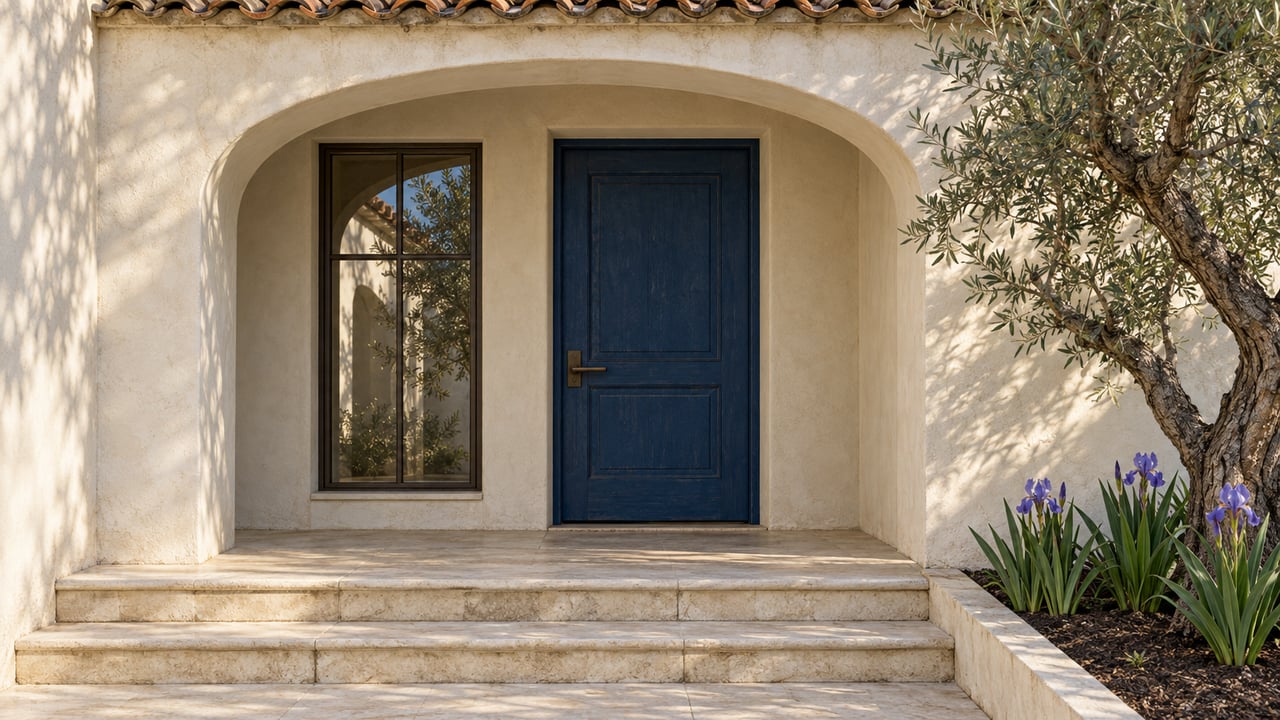
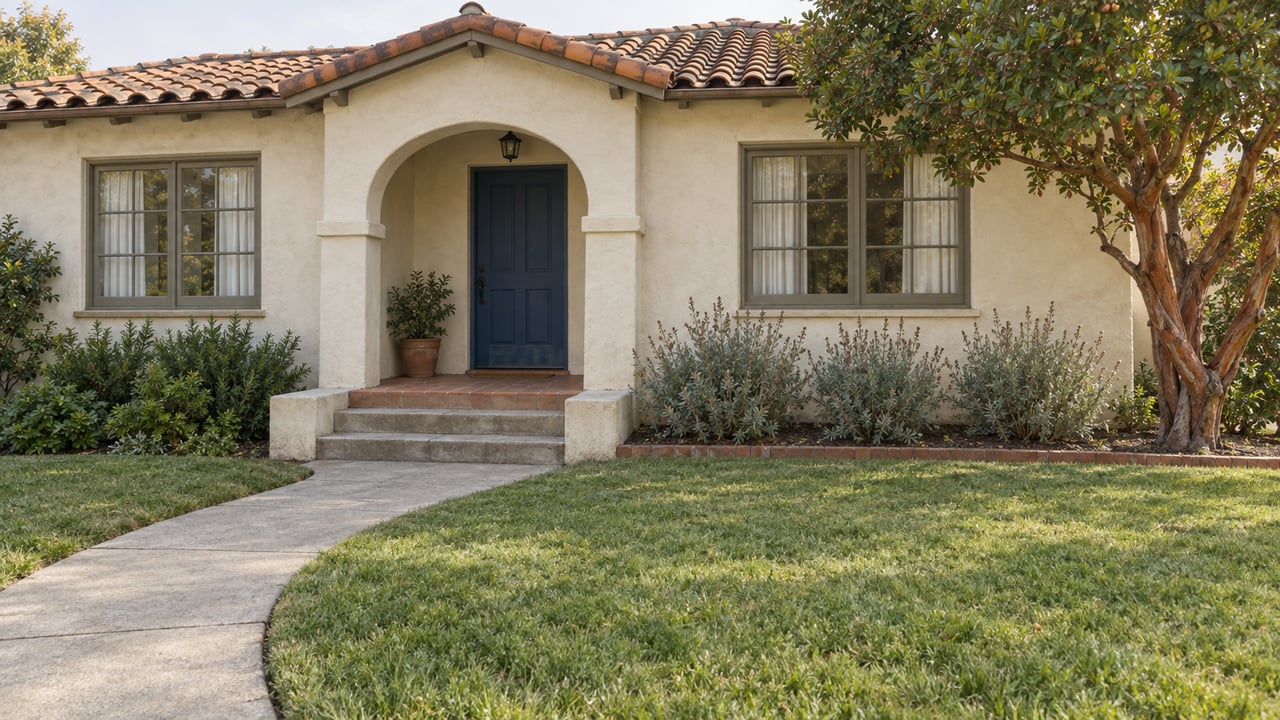
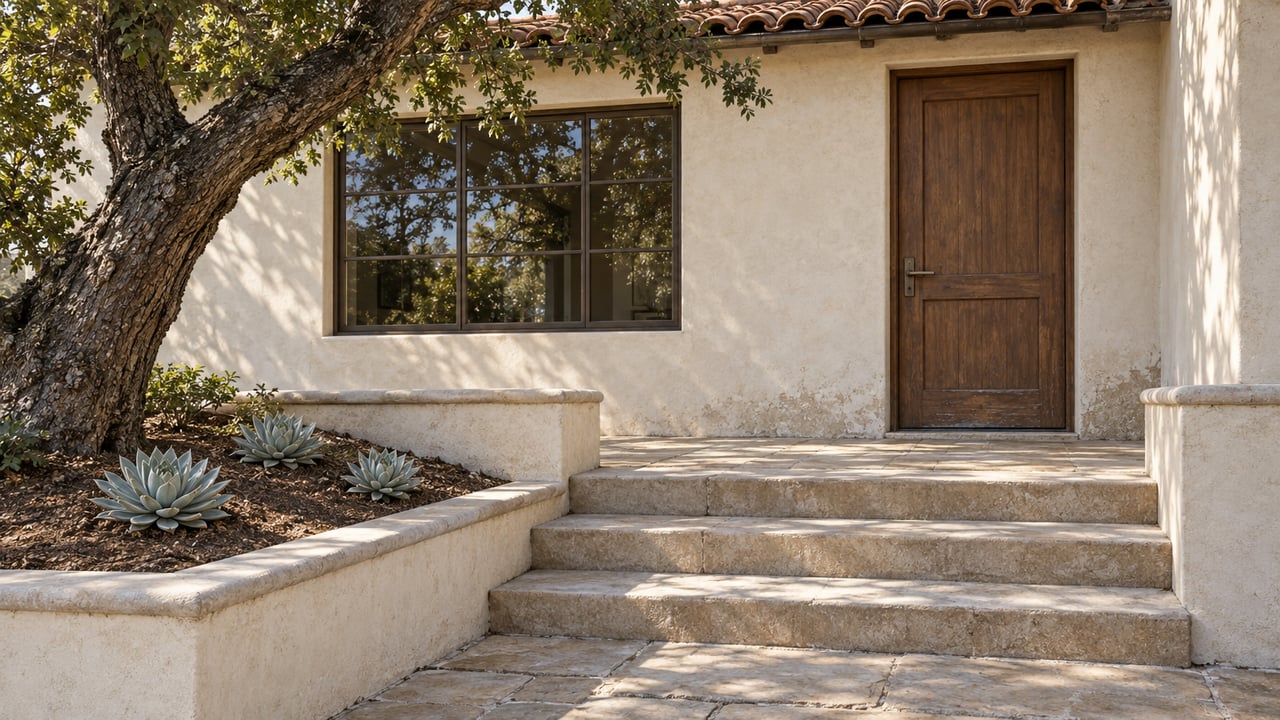
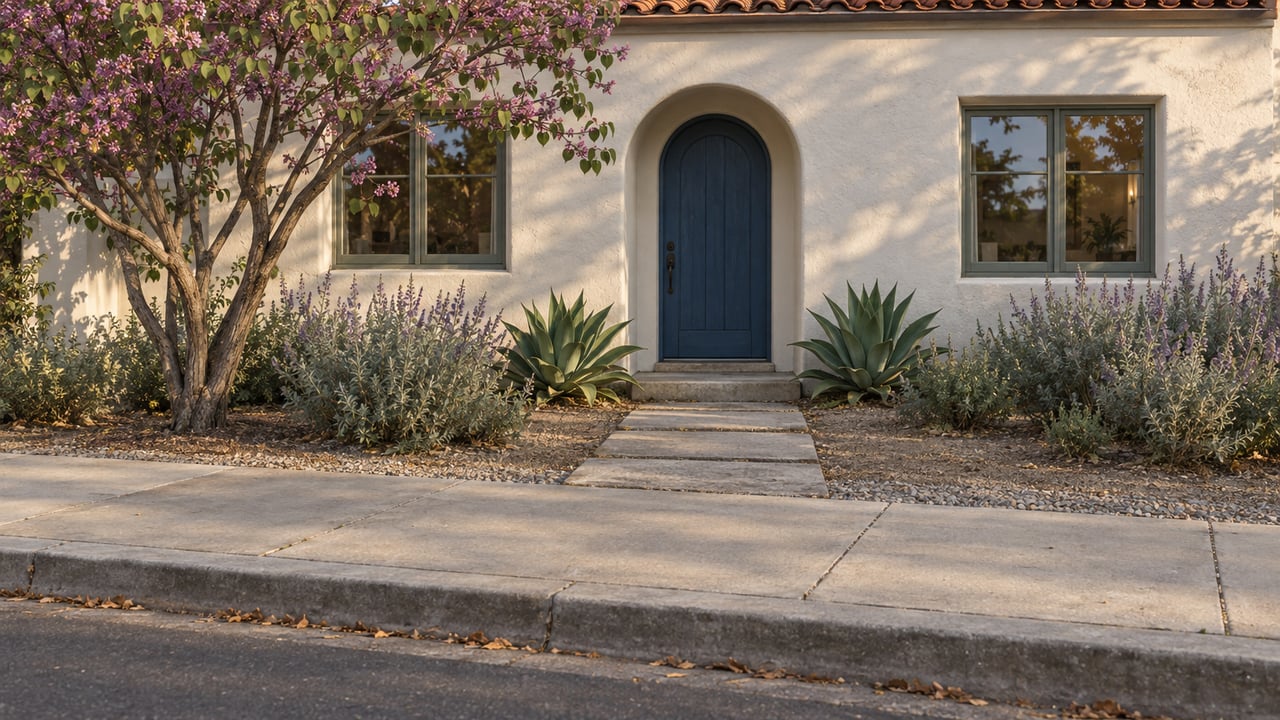
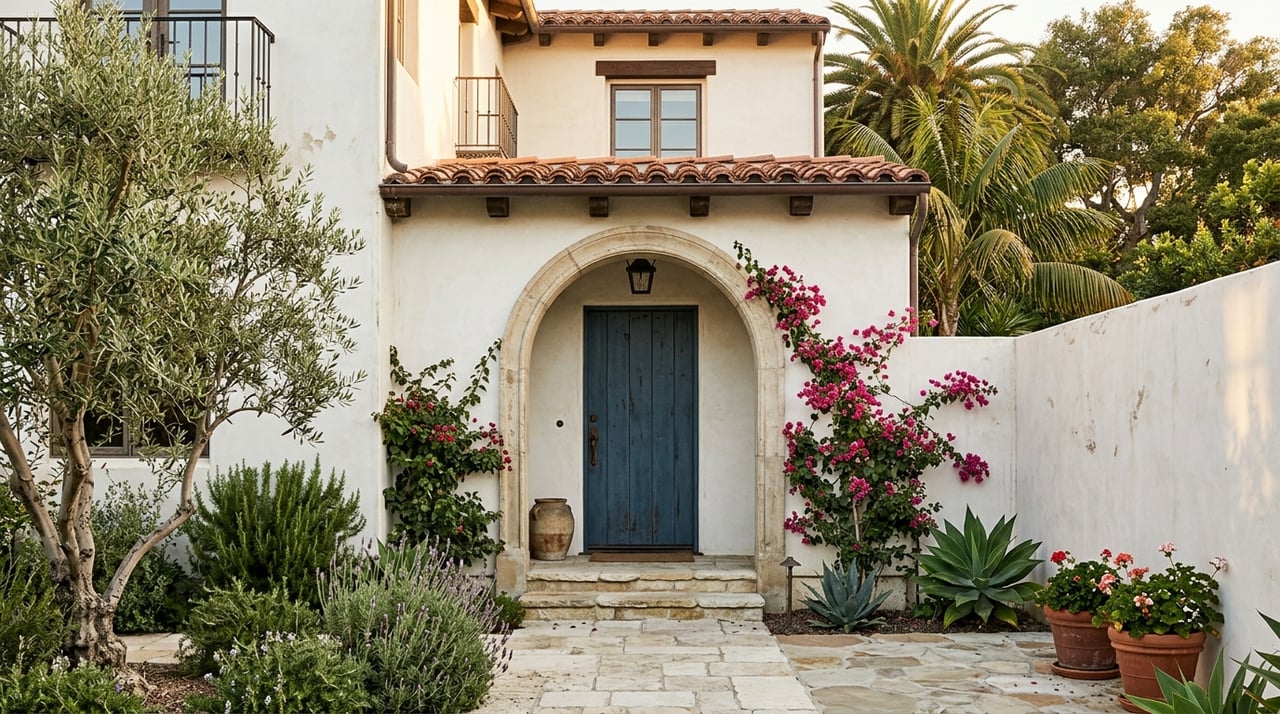
The architectural mix in West Adams is broad and distinctive. City survey information for the larger West Adams-Baldwin Hills-Leimert area identifies Craftsman, Prairie/Foursquare, Spanish Colonial Revival, Mediterranean and Period Revival, Art Deco, Googie, and Mid-Century examples.
That range gives the neighborhood real visual depth. If you like the idea of walking or driving through blocks where homes reflect different eras of Los Angeles design, West Adams offers plenty to study and appreciate.
Preservation shapes the experience
In protected pockets like Jefferson Park and West Adams Terrace, exterior changes go through additional review and must complement historic character. For some buyers, that is a meaningful benefit because it helps preserve the visual identity of the street.
For others, it may mean less flexibility if they want to make major exterior changes. Either way, it is an important part of the West Adams story, especially if you are buying with both lifestyle and long-term character in mind.
Culver City feels compact and connected
Culver City offers a different kind of appeal. Its identity is closely tied to a compact downtown, established amenities, and direct ties to major creative employers. If West Adams feels more atmospheric and open-ended, Culver City often feels more mapped out and immediately legible.
Downtown Culver City is described by its business association as a place with outdoor cafes, unique shops, nightlife, and tree-lined boulevards. That creates a daily-life experience that many buyers find easy to plug into right away.
Architecture in Culver City
Culver City has its own preservation framework, but the feel is more landmark-driven than broad residential historic fabric. The city’s preservation program dates to 1991, and the first survey led to more than 100 historic structures and three historic districts being designated.
Downtown highlights include notable buildings such as The Culver Hotel, the Art Deco Citizen Building, the Mission Revival Ivy Substation, and the Colonial-style studio administration building. Instead of a large historic residential district, you get a tighter historic core with recognizable anchors.
Creative industry access stands out
For buyers who want close ties to film, media, and tech campuses, Culver City has a strong practical edge. The city places Sony Studios, The Culver Studios, and Amazon MGM Studios at the center of its identity, and the downtown district is positioned among those major employers.
The city also describes Downtown Culver City as connected to the E Line station and major commercial and job centers through mobility lanes. If your workday or social life revolves around these hubs, that convenience can shape your choice in a big way.
Food and third places differ in tone
One of the clearest differences between these two areas shows up in where you spend your casual time. If your ideal week includes coffee runs, dinner out, and places where you can work, meet, or unwind, the vibe matters.
West Adams has an emerging, culture-forward scene. Reports highlight places like Midcity Mercado, Vicky’s All Day, Reparations Club, Alta Adams, and established options tied to Oaxacan, Creole, and Japanese dining. The result is a neighborhood with an independent, community-driven feel.
Culver City offers a more established mix for daily life. Downtown includes restaurants, bars, coffee houses, markets, boutiques, shops, salons, hotels, film studios, and theaters. There is also a year-round Tuesday farmers market on Main Street, while The Culver Steps adds retail, restaurant space, and a public plaza that acts as a central gathering place.
What that means for your routine
If you want discovery, local texture, and a scene that still feels like it is unfolding, West Adams may feel more compelling. If you want a more predictable amenity map with many essentials and social spots clustered together, Culver City may feel easier.
Neither preference is better. It comes down to whether you want your neighborhood to feel curated and compact or creative and still evolving.
Walkability and movement are both strong
Both neighborhoods score in the very walkable range according to third-party walkability data. West Adams has a Walk Score of 76, and Culver City lands around 75 to 76. West Adams scores better on transit, while Culver City scores a bit higher for biking.
Still, numbers only tell part of the story. The West Adams community plan notes that older residential streets are more pedestrian-friendly than the larger commercial boulevards, while Culver City has more deliberately reshaped its downtown around pedestrian, bike, and transit movement.
Choose the street experience you prefer
If your ideal walk includes quieter residential blocks and architectural variety, West Adams may offer more of that feeling. If you prefer a downtown environment built around errands, dining, and movement between destinations, Culver City often delivers that more clearly.
This is one of those choices where your everyday habits matter more than broad labels. The right fit usually becomes obvious when you picture your morning coffee, your commute, and your weekends.
Which neighborhood fits your creative lifestyle?
The best choice depends on what kind of inspiration and convenience you want around you.
West Adams may be right for you if:
- You value historic texture and period architecture
- You are comfortable with a neighborhood that still feels in motion
- You want a more independent, community-driven food and retail scene
- You see preservation and neighborhood character as a plus
- You are drawn to homes with strong design identity
Culver City may be right for you if:
- You want a tighter downtown and a more predictable amenity layout
- You prefer a polished, established feel
- You want easier proximity to major studio and tech campuses
- You like having restaurants, shops, and gathering spaces clustered together
- You want a neighborhood that feels more turnkey from day one
The real tradeoff to consider
For many buyers, this decision is less about price point or trend and more about how you want your home to support your lifestyle. West Adams offers atmosphere, architectural depth, and the feeling of a neighborhood still writing its next chapter. Culver City offers convenience, concentration, and a strong connection to major creative employment centers.
If you are design-driven, this choice can be especially personal. You may be choosing not just between two locations, but between two versions of Los Angeles living: one rooted in historic residential character and one shaped by an active downtown core.
Buying with clarity in West Adams or Culver City
When you are comparing neighborhoods like these, it helps to look beyond headlines and walk the tradeoffs in real life. Street character, preservation rules, commute patterns, and daily gathering places all shape whether a home feels like a match.
That is where a more tailored approach can make a difference. If you care about architecture, layout potential, and how a property supports both your lifestyle and long-term value, neighborhood guidance should be as thoughtful as the home search itself.
If you are weighing West Adams against Culver City and want a more design-aware, high-touch perspective, Joanna Steinberg can help you narrow the fit and find the right home for the way you live.
FAQs
What is the main lifestyle difference between West Adams and Culver City?
- West Adams generally feels more historic, layered, and evolving, while Culver City tends to feel more established, polished, and centered around a compact downtown and major creative industry hubs.
Is West Adams known for historic homes in Los Angeles?
- Yes. West Adams is one of Los Angeles’ oldest neighborhoods and is known for a major concentration of period homes, including Craftsman, Spanish Colonial Revival, Art Deco, and Mid-Century examples.
Does Culver City offer easier access to film and studio jobs?
- Culver City has a strong connection to major creative employers, with Sony Studios, The Culver Studios, and Amazon MGM Studios identified as key parts of the city’s identity.
Are West Adams and Culver City both walkable neighborhoods?
- Yes. Third-party walkability data places both in the very walkable range, though the street experience differs between West Adams’ residential blocks and Culver City’s more intentionally pedestrian-focused downtown.
Which neighborhood has a more established dining and shopping scene?
- Culver City offers a more established daily-life mix with restaurants, coffee houses, markets, boutiques, theaters, and a downtown gathering core, while West Adams is known for a growing, culture-forward food scene.
Should you consider preservation rules when buying in West Adams?
- Yes. In protected areas such as Jefferson Park and West Adams Terrace, exterior changes face additional review to help preserve historic character, so it is important to understand those rules before you buy.