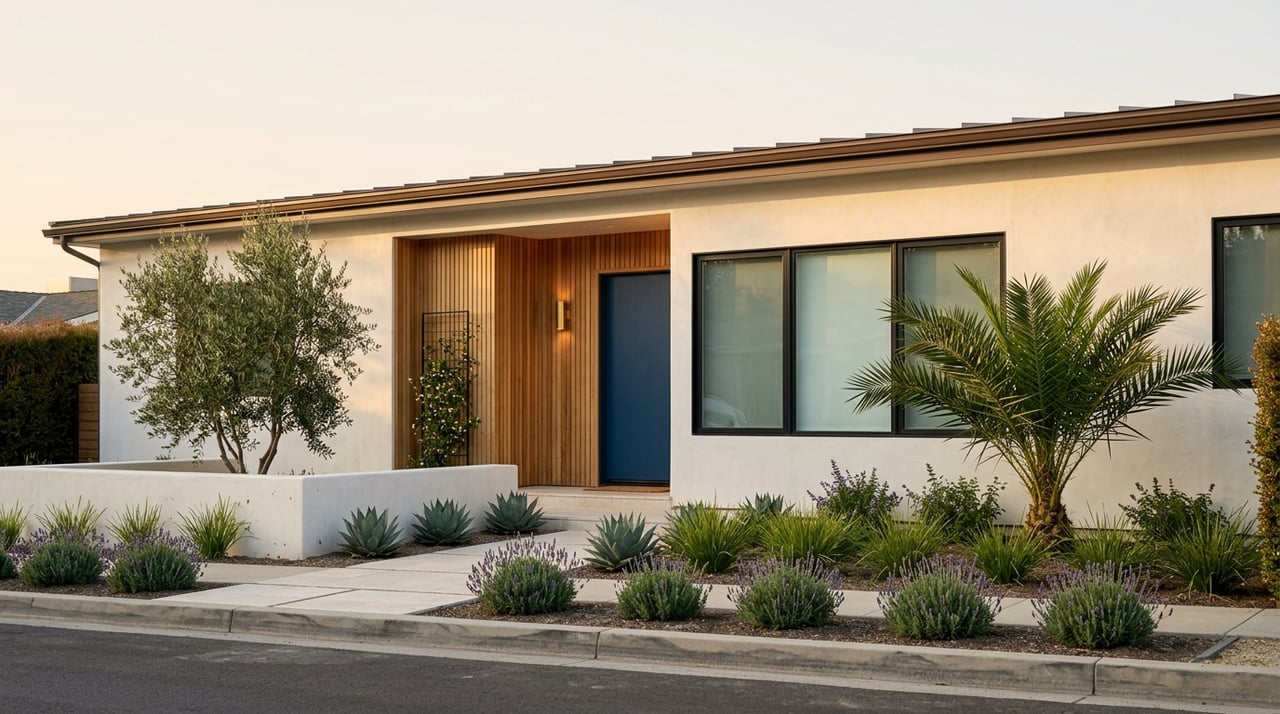
If you are shopping in Brentwood, it is easy to get pulled in by the style label first. Ranch, traditional, midcentury, or contemporary can shape your first impression, but they rarely tell the whole pricing story. In Brentwood, what you are really paying for is how a home lives on its lot, where it sits within the city, and how much flexibility it offers over time. Let’s dive in.
Brentwood’s Housing Story Matters
Brentwood is not a market defined by large amounts of prewar housing stock or a deep inventory of preserved period homes. According to the City of Brentwood, the city has 14.8 square miles of incorporated area and a character shaped by agriculture, open space, scenic views, hillsides, and historic resources.
That broader setting matters because the housing stock is tied to Brentwood’s growth pattern. The city notes that its population more than tripled from the mid-1990s to the mid-2000s, and it has averaged more than 400 single-family permits per year in recent years, which points to a market shaped heavily by late-20th- and early-21st-century suburban development rather than older architectural eras.
For buyers, that means you are often evaluating homes where layout, lot utility, updates, and location within Brentwood matter just as much as the name of the style itself.
The Styles You’ll Likely See
Ranch Homes in Brentwood
Ranch houses began in California and became especially popular after World War II, according to Britannica’s overview of the ranch house. In Brentwood, the ranch label often fits straightforward single-family homes or later remodels built around that same low-profile, practical suburban form.
Because Brentwood’s major growth wave came later than ranch architecture’s peak era, ranch homes here are usually not a niche trophy category. Instead, they often serve as a baseline style, valued more for usability, footprint, and lot function than for rarity.
Traditional Homes in Brentwood
Traditional design is a broad category rather than one fixed historic style. Historic New England’s architectural style guide notes common features like pitched roofs, symmetrical facades, cross-gables, and familiar classical or revival-inspired details.
In Brentwood, traditional often points to broad-appeal homes from the 1990s and 2000s. These homes may feel familiar and accessible, which can support demand, but buyers are still usually paying for condition, lot quality, and floor plan flow more than decorative references alone.
Midcentury Homes in Brentwood
Mid-century modern architecture and design came out of the mid-20th century, as explained by Britannica’s definition of mid-century modern design. In Brentwood, true midcentury inventory is likely more limited because the city’s strongest development period came later.
That makes authentic midcentury homes feel more specific when they do appear. If you are drawn to this style, the value often comes from intact proportions, original details, and a strong relationship between the house and the site, not just square footage.
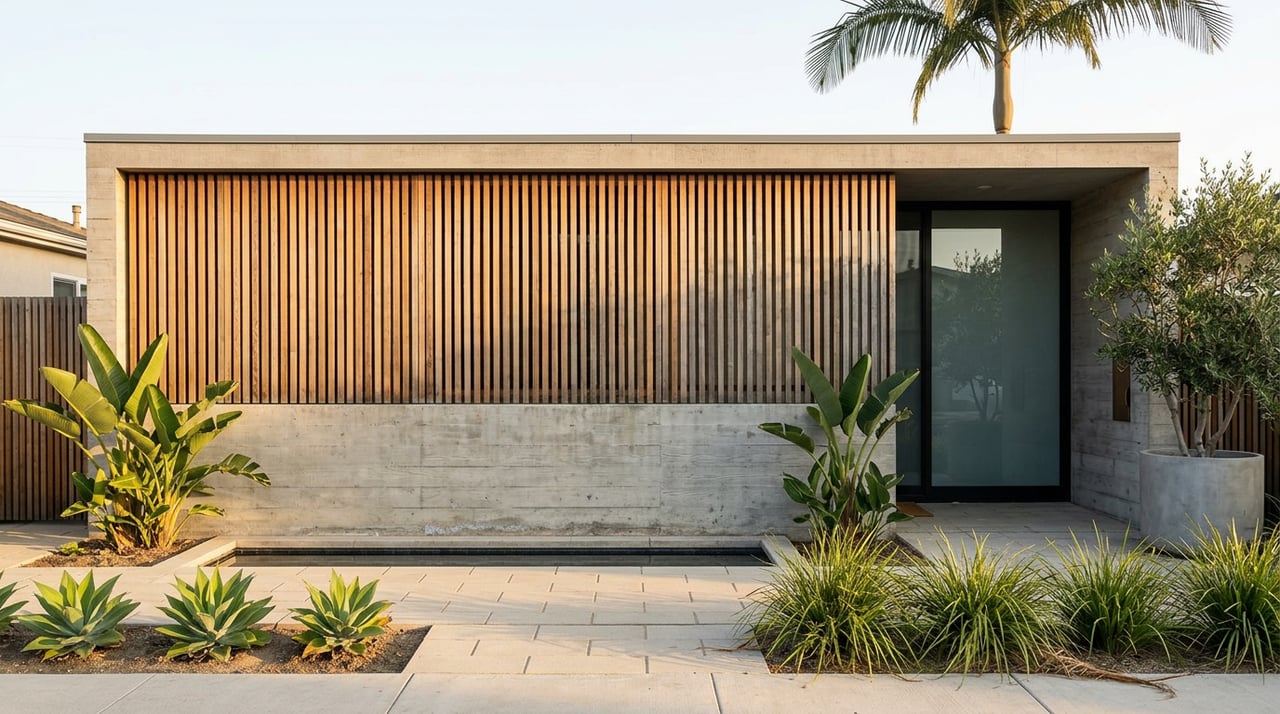
Contemporary Homes in Brentwood
Contemporary architecture refers broadly to what is being designed now, rather than one fixed historic vocabulary. As described in this contemporary house overview, the term is flexible and tied to current design thinking.
In Brentwood, contemporary usually shows up in newer construction or in homes that have been substantially updated. Buyers may pay more for these homes when the design translates into modern livability, efficient use of space, and a strong indoor-outdoor connection to the lot.
What Buyers Are Really Paying For
Style matters, but it is only one layer of value. According to guidance from the National Association of Realtors, home pricing is shaped by size, location, amenities, condition, lot size, upgrades, comparable sales, and current market conditions.
That is the clearest lens for understanding Brentwood architecture. A home’s style may get your attention, but the actual price usually reflects a stack of factors working together.
Lot Utility
A beautiful facade cannot fully make up for a difficult lot. NAR notes that lot size and lot usability affect value, and that challenging or less functional parcels can reduce it.
In practical terms, a simpler ranch home on a flat, usable lot may compete well against a more decorative home on a constrained site. If outdoor space feels functional, flexible, and easy to enjoy, buyers often recognize that value quickly.
Micro-Location Within Brentwood
Location is not just about the city name. It is also about where a home sits within the city and how that placement changes the living experience.
Brentwood’s long-range planning framework distinguishes between the historic Downtown core, the Brentwood Boulevard corridor, and areas shaped by agricultural land, hillsides, open space, and scenic views. That means two homes with similar square footage and similar architecture can still command different prices based on whether they sit on a quieter interior street, a busier corridor, a view-oriented site, or a less usable parcel.
Condition and Upgrades
Updated homes typically command stronger pricing, and both NAR and Freddie Mac point to condition and upgrades as value drivers. Buyers are not only noticing whether a home looks current. They are also looking at whether the improvements feel thoughtful, cohesive, and worth the premium.
This is where architecture and execution meet. A traditional home with high-quality renovation work may feel more compelling than a newer home with generic finishes, because buyers respond to the full package, not just the age of the structure.
Functional Livability
Contemporary and updated homes often attract buyers because they support the way people live now. Open circulation, flexible rooms, and a stronger connection between interior and exterior spaces can carry real weight in pricing.
That does not mean older or simpler homes lose relevance. It means buyers tend to pay for homes that make daily life feel easier and more intuitive, regardless of whether the style label reads ranch, traditional, or contemporary.
Why Brentwood Buyers Should Look Past the Label
It is tempting to think of architecture as a shortcut. You may assume one style automatically deserves a premium, while another is more ordinary.
In Brentwood, that approach can miss what actually drives value. The city’s housing profile, planning structure, and landscape context all point to a more practical conclusion: buyers are often paying for performance more than for a style name.
That performance includes:
- How well the home uses its site
- How functional the yard or outdoor area feels
- How the property sits within its immediate surroundings
- How updated and move-in ready the interiors are
- How much future flexibility the property may offer
Future Flexibility Adds Value
Another important part of the equation is what a property can become. Brentwood is updating its Residential Objective Design Standards to make residential approvals more predictable while keeping new development attractive, compatible, and appropriately scaled.
The city also permits accessory dwelling units, including ADUs that may be attached to the existing home or, in some cases, placed within a garage or outbuilding. That matters because some buyers are paying not just for today’s layout, but for future options.
A home with room to adapt may hold extra appeal if you want:
- More functional living space over time
- Flexible use for guests or multi-generational living
- Better use of the lot through thoughtful improvement
- Long-term upside tied to updates and added utility
This does not mean every property has the same potential. It does mean future flexibility can influence value right alongside architecture, lot size, and condition.
Brentwood Market Context Still Counts
Architecture never exists in a vacuum. Market conditions still shape what buyers will pay, no matter how attractive the style may be.
As of February 2026, Redfin reports a median Brentwood sale price of $723,000 and a median of 24 days on market. The same research also notes that this closed-sale figure is different from the Census Bureau’s 2024 estimate of a median owner-occupied home value of $836,600, because those two figures measure different things.
That distinction is useful. It is a reminder that pricing conversations should stay grounded in current comparable sales, market momentum, and the specifics of the property itself.
The Real Takeaway for Buyers
If you are buying in Brentwood, architecture should absolutely be part of your search. Style shapes feel, identity, and the emotional connection you have to a home.
But if you want to understand value clearly, look one layer deeper. In Brentwood, buyers are often paying for a combination of style, site, micro-location, condition, and future flexibility.
That is why two homes with similar floor plans can land at very different price points. The smarter question is not just, “What style is this?” It is, “How well does this home work, and what can it offer me over time?”
If you want a more design-aware, strategic read on what actually creates value in a home, Joanna Steinberg brings a thoughtful eye to both the visual story and the practical one.
FAQs
What kinds of home styles are most common in Brentwood, CA?
- In Brentwood, you are likely to see ranch, traditional, and newer contemporary homes more often than large numbers of preserved historic period homes, due to the city’s later suburban growth pattern.
What affects home prices in Brentwood beyond architecture?
- Brentwood home prices are influenced by size, condition, lot size, upgrades, comparable sales, market conditions, and micro-location within the city, in addition to architectural style.
Are midcentury homes rare in Brentwood, CA?
- True midcentury homes are likely more limited in Brentwood because much of the city’s major residential growth happened later than the mid-20th century.
Does lot size matter when buying a Brentwood home?
- Yes, lot size and lot usability can affect value significantly, especially when comparing homes with similar layouts or similar architectural styles.
Can ADUs add value to Brentwood properties?
- Brentwood permits ADUs in certain forms, and that future flexibility may add appeal for buyers who want more functional space or long-term adaptability.
Is Brentwood a newer housing market compared with older Bay Area cities?
- Brentwood’s housing stock is generally shaped more by late-20th- and early-21st-century development than by large amounts of older prewar inventory.