If you are sizing up an income property in Mid City or Picfair Village, it is easy to get distracted by curb appeal, charm, or a promising rent number. In 90019, the smarter play is to look deeper at layout, parking, lot potential, and local housing rules before you decide what a property can really earn. When you understand how this central Los Angeles pocket actually functions, you can underwrite with more confidence and avoid expensive assumptions. Let’s dive in.
Why 90019 works for income property
The 90019 zip code looks more like a practical rental market than a classic single-family hold. The area has about 59,548 residents, 23,798 households, and an average household size of 2.56. It is also renter-heavy, with 76.23% renter occupancy and a housing stock made up of about 70.11% multifamily properties.
That mix matters because it shapes the kind of demand you are buying into. In this part of Los Angeles, duplexes, triplexes, fourplexes, and small apartment buildings are often more relevant than large single-family homes if your goal is income. It also means many buyers should focus on function, operating ease, and realistic rentability over purely cosmetic upside.
Median household income is reported at $73,934, and median gross rent is $1,795. The rent spread suggests a broad middle market, with many households clustered between roughly $1,000 and $2,999 per month. For you, that often points to clean, efficient, well-maintained units rather than over-improved finishes that may be harder to recapture.
What property types you will see
In the broader Mid City 90019 area, small multifamily is the natural first category to study. If you are an owner-occupant, that can support a live-in-one, rent-the-other strategy. If you are investing, it puts more emphasis on unit mix, circulation, and durability than on oversized lots or trophy-home features.
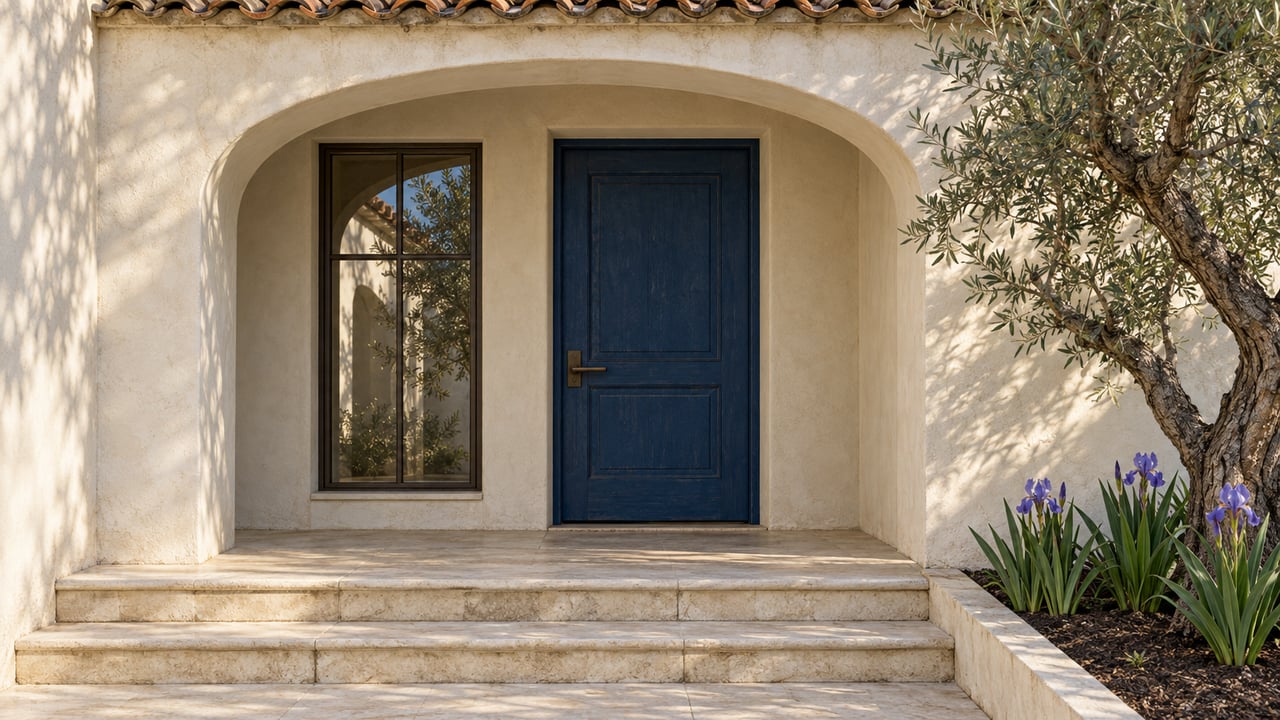
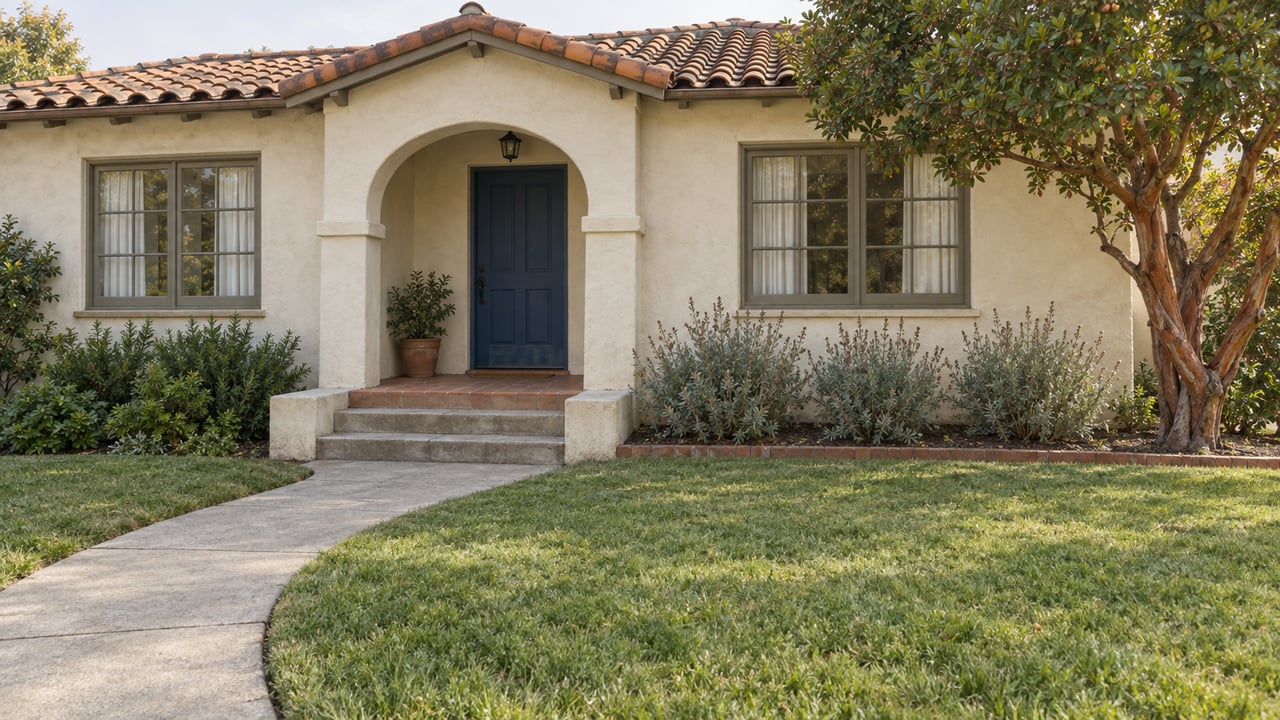
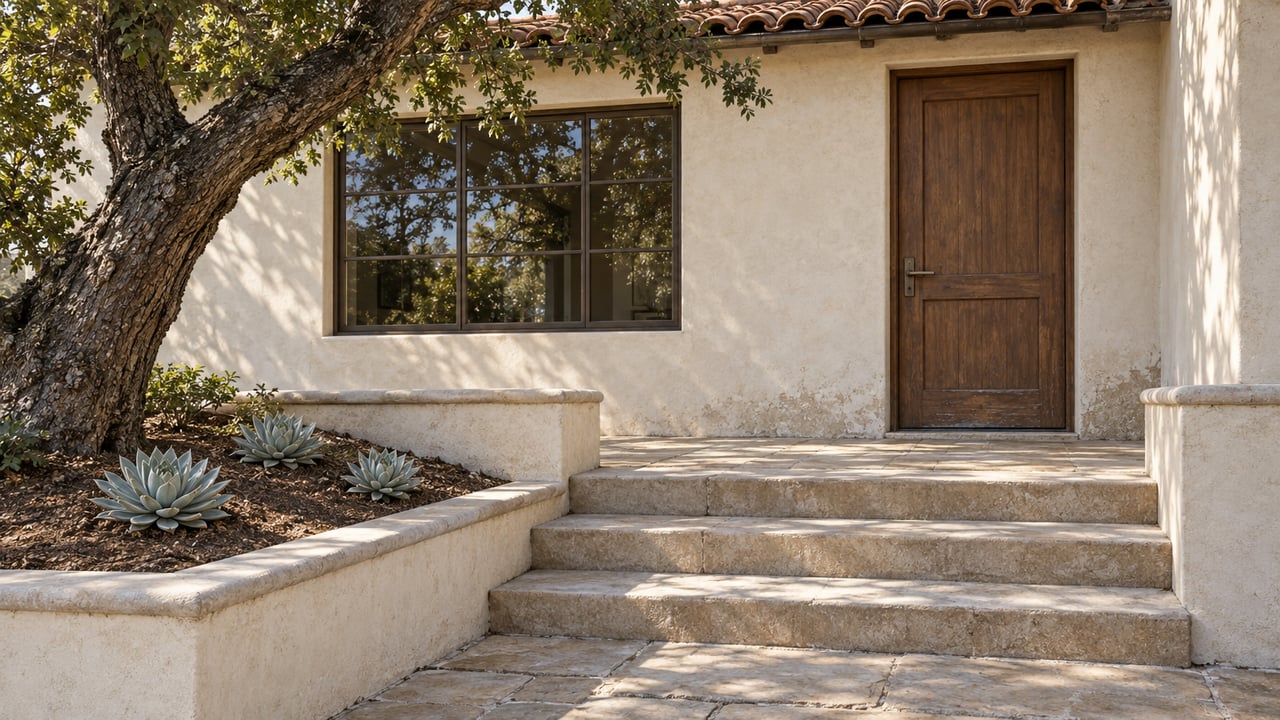
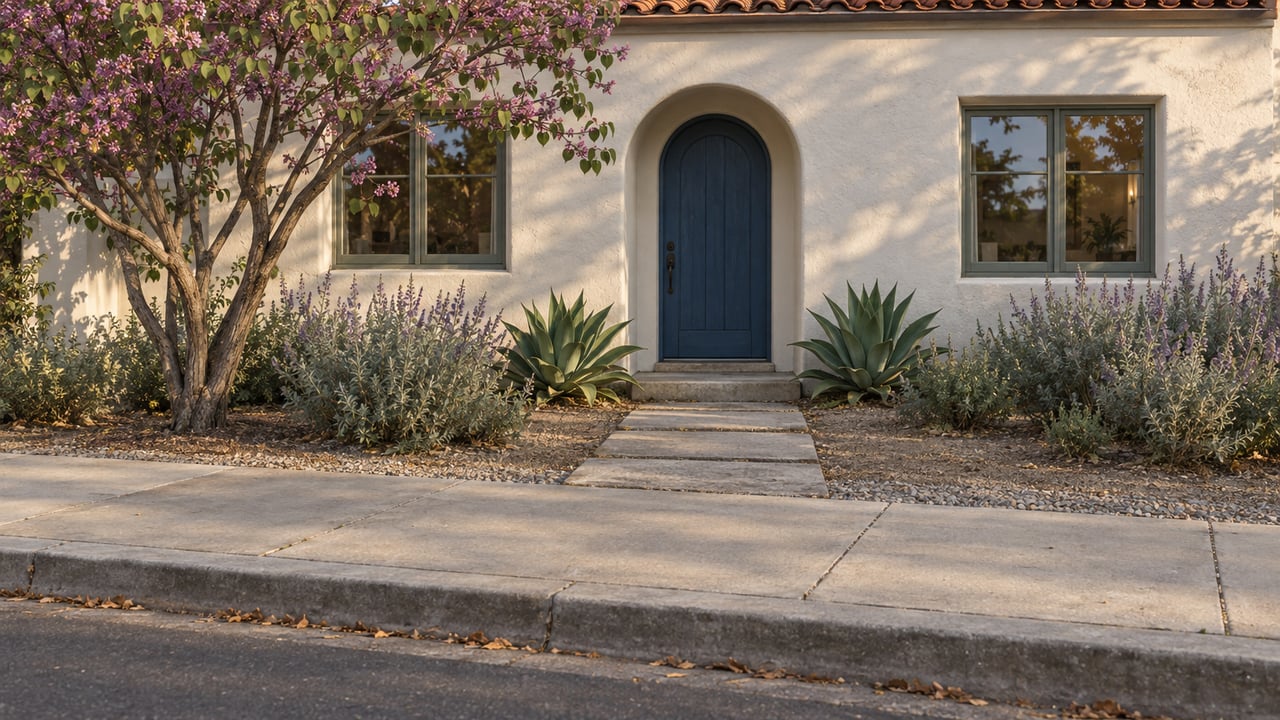
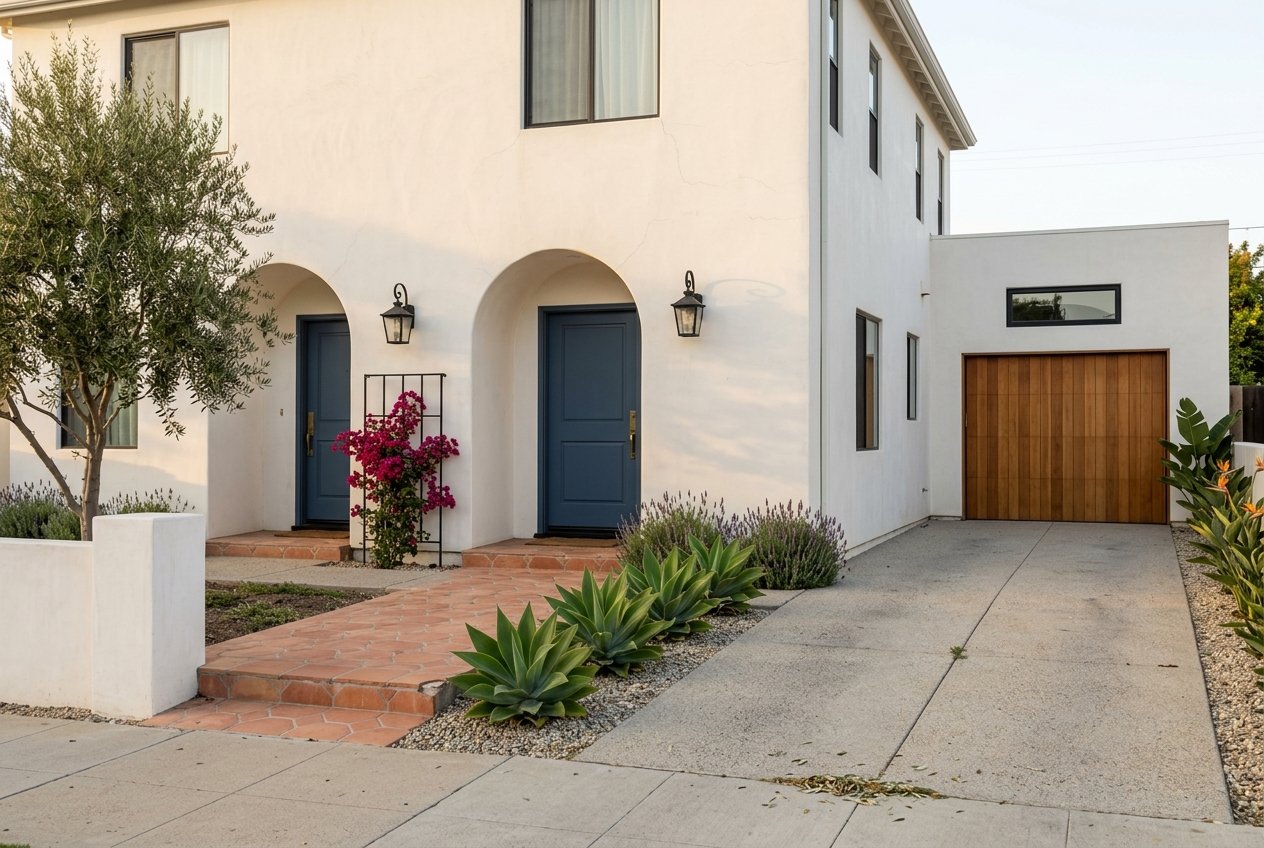
Picfair Village has a more specific housing pattern. The neighborhood is known for many homes from the 1920s and 1930s, with a mix of Spanish Colonial and Art Deco one- and two-family homes, plus some mid-century multifamily buildings, especially north of Saturn Street. In some sections, you will also find a mix of houses, duplexes, and fourplexes.
That blend creates opportunity, but it also means each block can behave differently. A charming two-family property may have strong appeal, yet its actual income potential can depend on how the units are laid out, where parking sits, and whether the lot can support future additions. In older housing stock, the details matter more than the headline.
How to judge rentability first
Start with layout
In a renter-heavy market with relatively modest household sizes, layout often matters more than raw square footage. Units that clearly separate living and sleeping areas, offer practical bedroom counts, and avoid awkward circulation tend to be easier to rent. A floor plan that feels intuitive can outperform a larger unit that wastes space.
This is especially important in Mid City and Picfair Village, where much of the demand is likely to come from smaller households, roommates, couples, and other renters seeking usable space. If you are comparing two similar properties, the one with a cleaner layout may support stronger tenant appeal over time. That can translate into less friction when leasing.
Treat parking as part of the income story
Parking is not just an extra in this market. For duplexes and small multifamily properties, usable parking can directly affect tenant appeal, day-to-day functionality, and future resale. You want to know not only whether parking exists, but whether it is easy to access and works well with the lot.
This becomes even more important in Picfair Village, where city planning has highlighted detached rear garages and modest building envelopes as part of the neighborhood pattern. If rear-yard circulation is tight or garage access is awkward, the parking may look better on paper than it feels in practice. That is a detail worth screening early.
Choose durable finishes over flashy upgrades
In a broad middle-market rental area, durable finishes usually make more sense than highly customized luxury packages. Good condition, easy maintenance, and a polished but practical look are often the safer bet. You want improvements that support rentability without pushing your costs far beyond what the local tenant base is likely to reward.
That does not mean design is irrelevant. It means design should support function. Thoughtful updates, cohesive interiors, and materials that wear well can help a property show better and operate more smoothly.
Picfair Village and the ADU question
Lot depth can change the math
If your strategy depends on adding an ADU or expanding the footprint, Picfair Village deserves a closer lot-by-lot review. City planning notes that while a typical lot depth is more than 100 feet, some parcels in the neighborhood are unusually shallow, at under 90 feet. That can change what is practical.
A property with a detached rear garage may look like an obvious ADU candidate at first glance. But shallow depth, limited rear access, or awkward garage placement can narrow your options. Before you assign value to future upside, confirm the physical realities of the parcel.
Know what Los Angeles allows
Los Angeles ADU rules say parking is not required for new ADUs if the property is within a half-mile walk of public transit. The city also states that if covered parking is removed to build an ADU, replacement parking is not required. In a central location like this, those rules can materially affect what is possible.
At the same time, you should not assume every garage conversion or ADU scenario creates the same result. The lot, the existing structure, and the property’s regulatory status all matter. In this market, ADU potential can be meaningful, but only when it is verified.
Rent rules can shape your returns
Los Angeles housing rules are a major part of evaluating older income property in Mid City and Picfair Village. According to LAHD, units built on or before October 1, 1978 are generally covered by the city’s Rent Stabilization Ordinance. Most units not covered by the RSO fall under the city’s Just Cause Ordinance.
State AB 1482 can also apply to some units not already covered by the RSO. LAHD notes that the law includes just-cause protections and a rent cap of 5% plus local CPI, or 10%, whichever is lower. For you, this means projected rent growth should be grounded in the actual legal framework, not just market optimism.
If a property includes or may include an ADU or JADU, the compliance picture can change. LAHD states that the city’s Housing Code applies to residential rental properties with two or more units, and that adding an ADU or JADU to a parcel with an existing structure may shift the regulatory framework depending on how the space was created and when the existing structure was built. This is one of those areas where assumptions can get expensive.
LAHD also says eviction notices in the city must be filed with LAHD within three business days of service. That may sound like a small operational detail, but it speaks to the importance of local compliance. If you are buying for income, process matters just as much as potential.
How Mid City compares nearby
It helps to compare Mid City and Picfair Village with nearby areas, but carefully. Culver City’s Arts District and nearby business districts are more explicitly positioned around creative businesses, artisan retail, restaurants, and destination programming. Sony Pictures Studios also anchors part of that broader creative-industry identity.
Mid City and Picfair Village present a different value story. They tend to trade more on central location, residential scale, and practical rentability than on branded district appeal. If you are underwriting a property here, it is wise to avoid assuming that a premium from a more commercial or destination-oriented submarket automatically transfers to a quieter residential street.
Transit is also part of the updated picture. Metro reports that the D Line Extension opened on May 8, 2026, adding Wilshire/La Brea and Wilshire/Fairfax, with Wilshire/La Cienega serving the same corridor. That improves the area’s relationship to Mid-Wilshire, Koreatown, Downtown LA, and the broader museum corridor.
For buyers, this does not turn Mid City into something it is not. What it does do is strengthen the area’s practical centrality, which can support long-term renter appeal. In an income-property decision, better connectivity can matter even when the neighborhood identity stays residential.
A practical evaluation checklist
Before you move forward on an income property in Mid City or Picfair Village, focus on a few items early:
- Verify the exact year built and legal unit count.
- Confirm whether the property is subject to the Rent Stabilization Ordinance, the Just Cause Ordinance, or AB 1482.
- Review whether an ADU, JADU, or garage conversion could change compliance treatment.
- Check lot depth, rear access, and garage placement if future unit expansion is part of the plan.
- Evaluate parking as an operating feature, not just a line item.
- Compare the property to nearby districts carefully, without assuming the same pricing or rent premium.
- Favor efficient layouts and durable updates over expensive improvements that may not pencil.
In this part of Los Angeles, the best opportunities often come from clear-eyed analysis rather than broad assumptions. A handsome facade or a tempting rent estimate can start the conversation, but the real value is usually hidden in the floor plan, the lot, and the legal details. When those pieces align, you have a much stronger foundation for a smart buy.
If you want a thoughtful second opinion on a Mid City or Picfair Village property, Joanna Steinberg brings a design-savvy, detail-focused approach to evaluating how a home or small income property can perform now and what it may become over time.
FAQs
What makes 90019 attractive for income properties?
- The 90019 market is renter-heavy, with 76.23% renter occupancy and a housing stock that is about 70.11% multifamily, which supports demand for duplexes, triplexes, fourplexes, and other small income properties.
What property types are common in Picfair Village?
- Picfair Village includes many 1920s and 1930s one- and two-family homes, along with some mid-century multifamily buildings and, in certain sections, a mix of houses, duplexes, and fourplexes.
Why does layout matter in Mid City rental properties?
- In a market shaped by smaller households and broad middle-market rents, efficient layouts with sensible room separation and practical bedroom counts often rent more easily than larger but less functional floor plans.
How important is parking for Mid City and Picfair Village rentals?
- Parking can be a meaningful part of tenant appeal, daily usability, and resale value, especially for duplexes and small multifamily properties where rear garages and access patterns can vary a lot by parcel.
What should buyers know about ADU potential in Picfair Village?
- Buyers should closely review lot depth, rear access, and garage placement because some Picfair Village parcels are shallower than others, which can limit how feasible an ADU or addition may be.
How do Los Angeles rent rules affect 90019 income properties?
- Older properties may be subject to the Rent Stabilization Ordinance, while others may fall under the Just Cause Ordinance or AB 1482, so year built, unit count, and any planned ADU changes should be verified before underwriting projected returns.
How does Mid City compare with nearby Culver City districts?
- Mid City and Picfair Village generally offer a more residential, central, and practical rentability story, while parts of Culver City are more strongly tied to creative-industry branding and destination-oriented business districts.