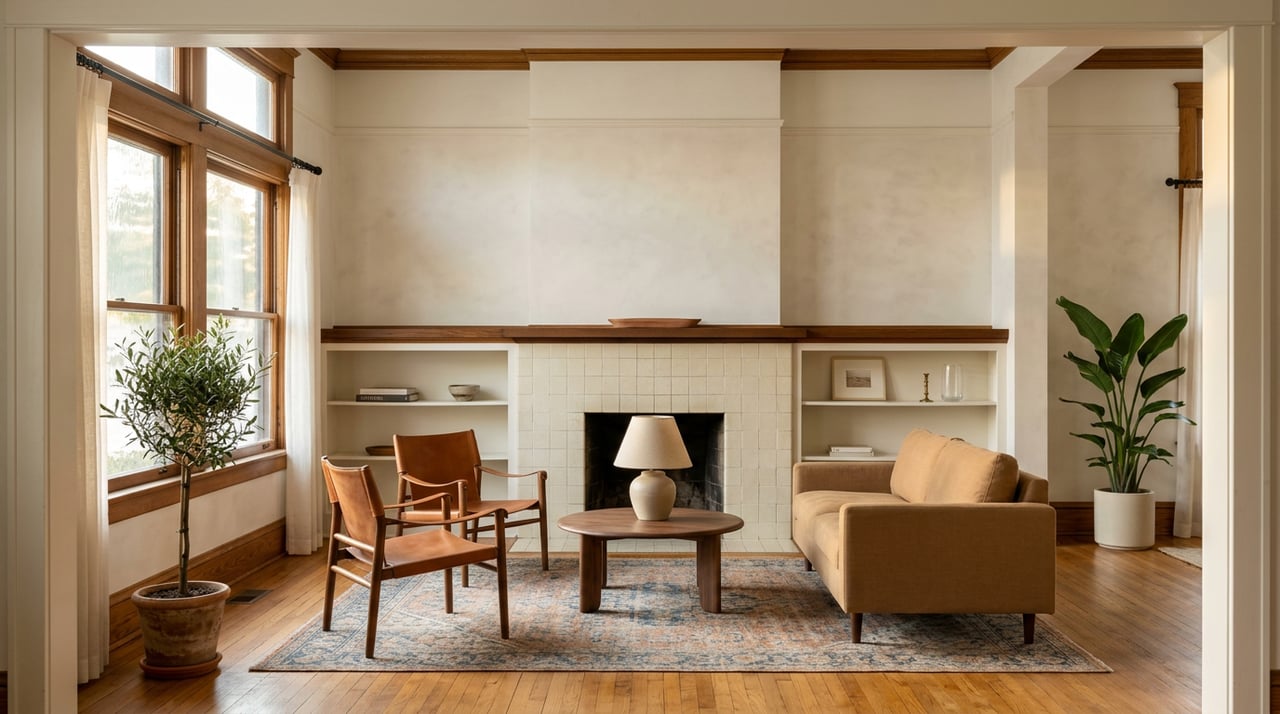
How do you stage a West Adams Craftsman or Spanish Revival to wow today’s buyers without sanding down the very details they came to see? If you love the original wood, tile, and layers of history, you are not alone. Buyers here respond to homes that feel authentic and move-in ready. In this guide, you will get preservation-smart steps, room-by-room tips, and style cues tailored to West Adams so you can elevate presentation and keep the soul intact. Let’s dive in.
Know your HPOZ and rules
Before you pick paint or porch furniture, confirm whether your property sits in a Historic Preservation Overlay Zone. West Adams is rich in turn-of-the-century architecture and active preservation, well documented by the West Adams Heritage Association. Several subareas, including West Adams Terrace, Harvard Heights, and Adams-Normandie, have formal HPOZs with adopted Preservation Plans and review boards. You can explore coverage and contacts on the city’s HPOZ overlay pages.
HPOZ review focuses on street-visible work: materials, windows, doors, exterior lighting, and often paint schemes. Anything that looks permanent from the sidewalk belongs on your checklist. The city’s zoning program outlines the preservation framework in Article 13B of the code, which guides what needs review or approval. When in doubt, check the HPOZ plan or call City Planning. Start with the HPOZ ordinance section and look to a sample plan that explains conforming work and period-appropriate colors, such as the Highland Park-Garvanza plan’s guidance on palettes and exterior changes (example Preservation Plan).
Core principles that preserve soul
Protect original fabric first
Your best return often comes from caring for what is already there. Prioritize in-kind repair over replacement for millwork, built-ins, mantels, tile, and floors. Opt for cleaning, light polishing, tightening loose trim, and small reversible fixes that read “well kept” without erasing patina. Preservation plans consistently favor period-appropriate finishes and gentle methods, as outlined in HPOZ guidance like the Highland Park-Garvanza plan above.
Declutter so features lead
Buyers want to see the house, not a set. National data shows staging helps buyers picture themselves in a home. Keep accessories minimal and remove personal items so original woodwork, stained glass, or Batchelder-style tile become focal points. According to the National Association of REALTORS, staging improves buyer visualization and is most effective when it clarifies a room’s function and flow.
Make modern systems legible
You do not need to “modernize” the architecture to prove the home is livable. Instead, make functional upgrades easy to see without visual noise. Simple, neutral fixtures that complement period details, tidy cable management, and a clear note about updated systems can reassure buyers. If you completed permitted rehab, keep documentation handy. Local programs emphasize the value of records and technical guidance, such as the NHS LA County Historic Home Rehabilitation Program.
Target the rooms that move offers
If budget is limited, stage the living room, primary bedroom, and kitchen first. These spaces carry outsize influence on buyer decisions and photos. The NAR 2025 staging snapshot backs up this priority, so allocate rental furnishings and styling time where they matter most.
Room-by-room playbook
Entry and curb appeal
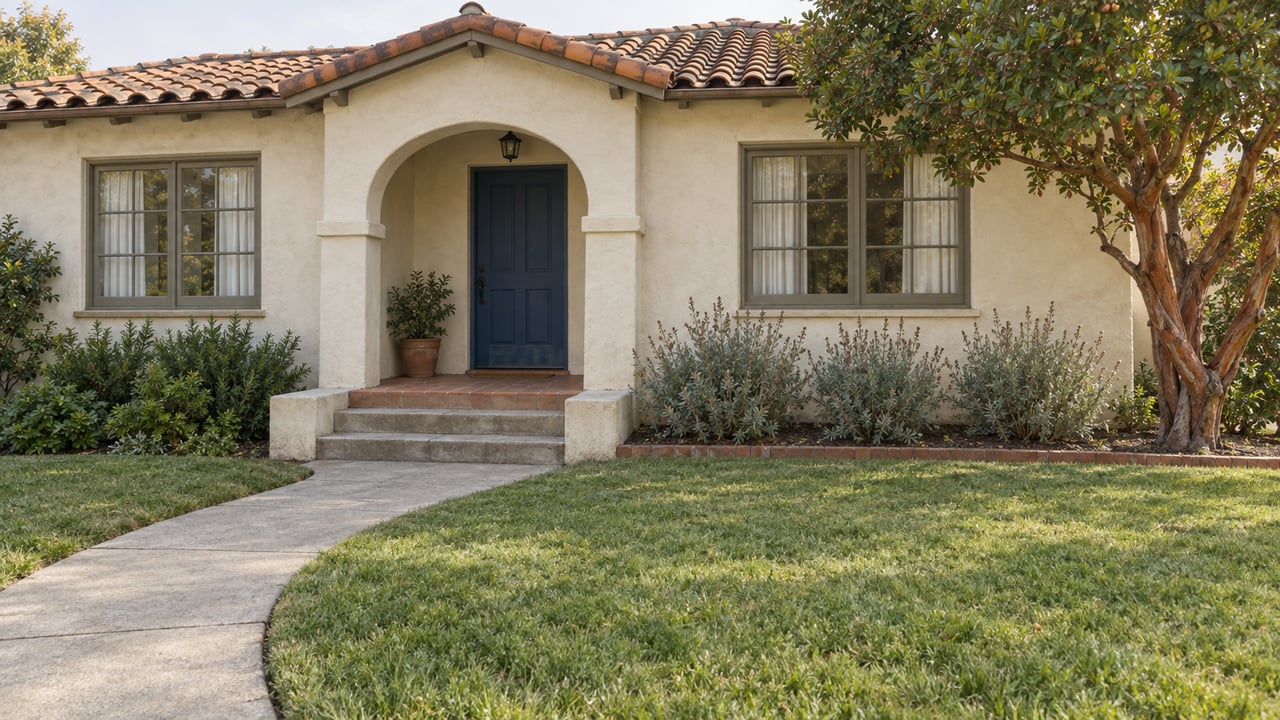
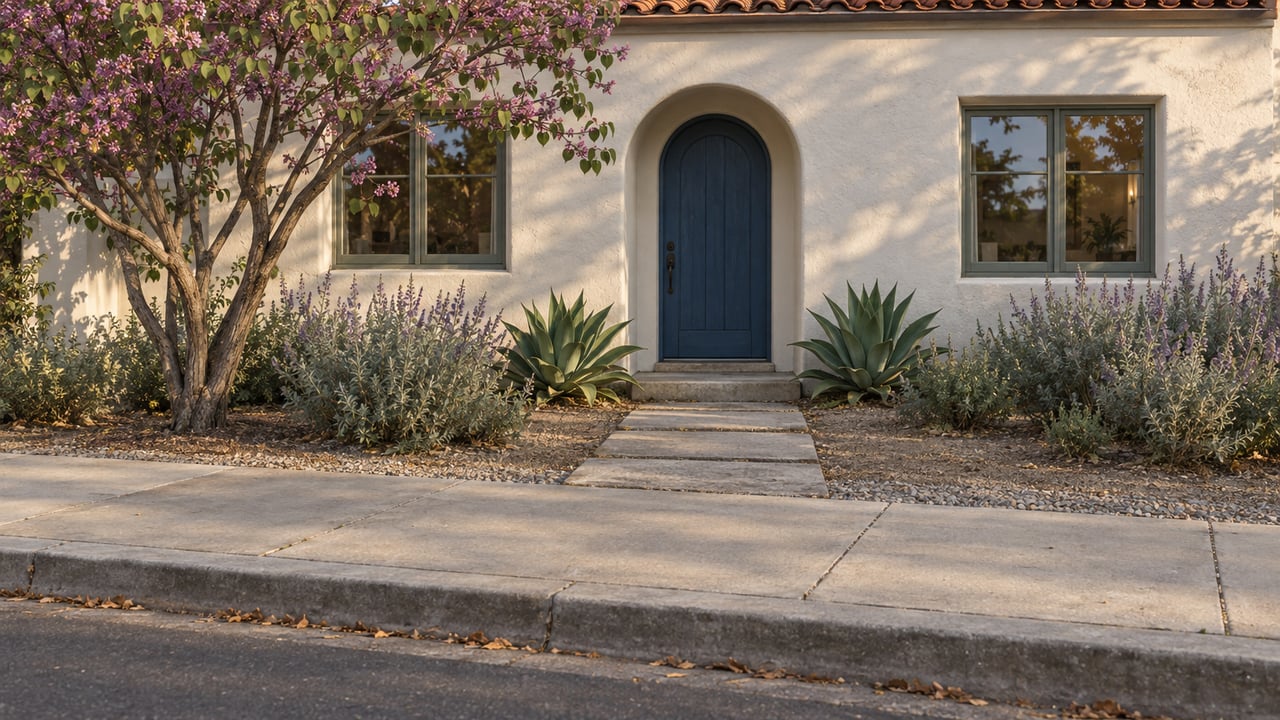
- Keep sightlines to the front door open and inviting. A swept path, trimmed plantings, and a clean porch let the façade do the talking.
- Stage porch seating with restraint. One bench or a pair of simple chairs feels welcoming without reading as a permanent change.
- If you plan to repaint trim or the body, check your HPOZ plan first and lean on historically appropriate palettes. Manufacturer historic collections, like the Sherwin-Williams Historic Color Collection, are practical starting points.
Living room or parlor
- Scale matters. In Craftsman bungalows, use lower, grounded seating that echoes the architecture’s horizontal lines. For taller Victorian rooms, choose slightly higher-backed silhouettes that respect vertical proportions. For context on Craftsman forms and proportions, see this overview of Craftsman homes.
- Keep the fireplace or built-ins as the star. Style the mantel with one sculptural object or a simple trio and remove visual clutter.
- Use neutral, texture-rich textiles that widen the space in photos and do not compete with original wood or tile.
Kitchen
- Spotlight function and flow. Clear counters, display a few warm, period-friendly accents, and keep walkways open for photos.
- If the kitchen retains original cabinetry or tile, clean and photograph it directly. If updated, choose understated stools or fixtures that bridge old and new without drawing focus.
- Keep sightlines into adjacent rooms so buyers can read trim profiles and doorways.
Primary bedroom and bath
- Right-size the bed. A queen fits most rooms and shows scale clearly. Use a light, tonal palette to amplify natural light.
- In baths, let historic tile or a pedestal sink show if present. If fixtures are contemporary, keep them neutral so original surfaces remain the highlight.
Built-ins, stained glass, mantels, and tile
- Photograph these features as individual “moments.” Close-ups with clear captions in your marketing help buyers value them.
- On open houses, keep surfaces nearly bare so details win on first glance.
- Avoid over-layering rugs or art that interrupts sightlines to woodwork or tile.
Style-specific staging for West Adams
Craftsman and Arts & Crafts
- Emphasize wood, handcrafted textures, and earth tones that sit comfortably with original trim. The Spruce’s look at Craftsman design cues offers helpful context.
- Choose grounded sofas, spindle or mission-style chairs, and simple pottery or woven accents.
- For exterior refreshes within HPOZ rules, muted greens, browns, and ochres often complement the massing. Reference historically aligned palettes like the Sherwin-Williams Historic Color Collection and confirm with your HPOZ.
Victorian and Queen Anne
- Respect height and detail. Slightly taller-backed seating, slimmer side tables, and vertical art groupings help the room breathe.
- Keep ornament restrained so mouldings, bays, and stained glass read as the focal point.
- Color can be richer, but let the house lead. If you consider exterior paint, consult your specific HPOZ plan before choosing any scheme.
Spanish Colonial and Spanish Revival
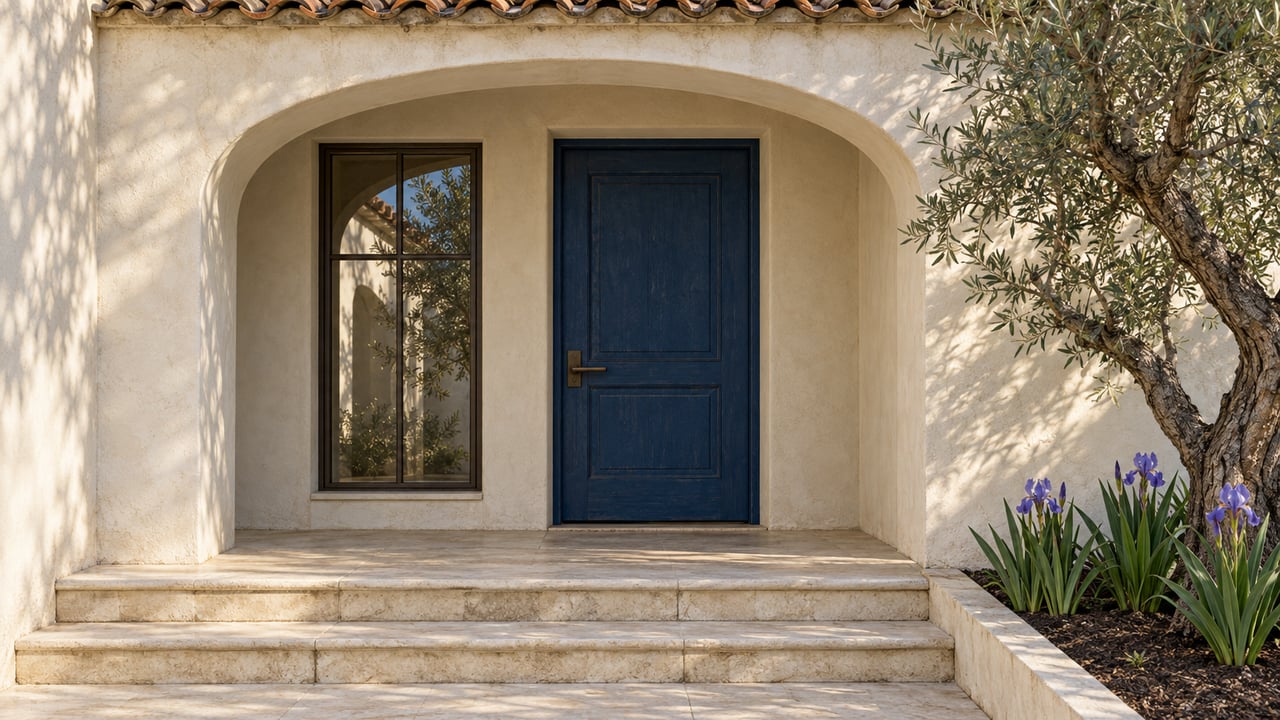
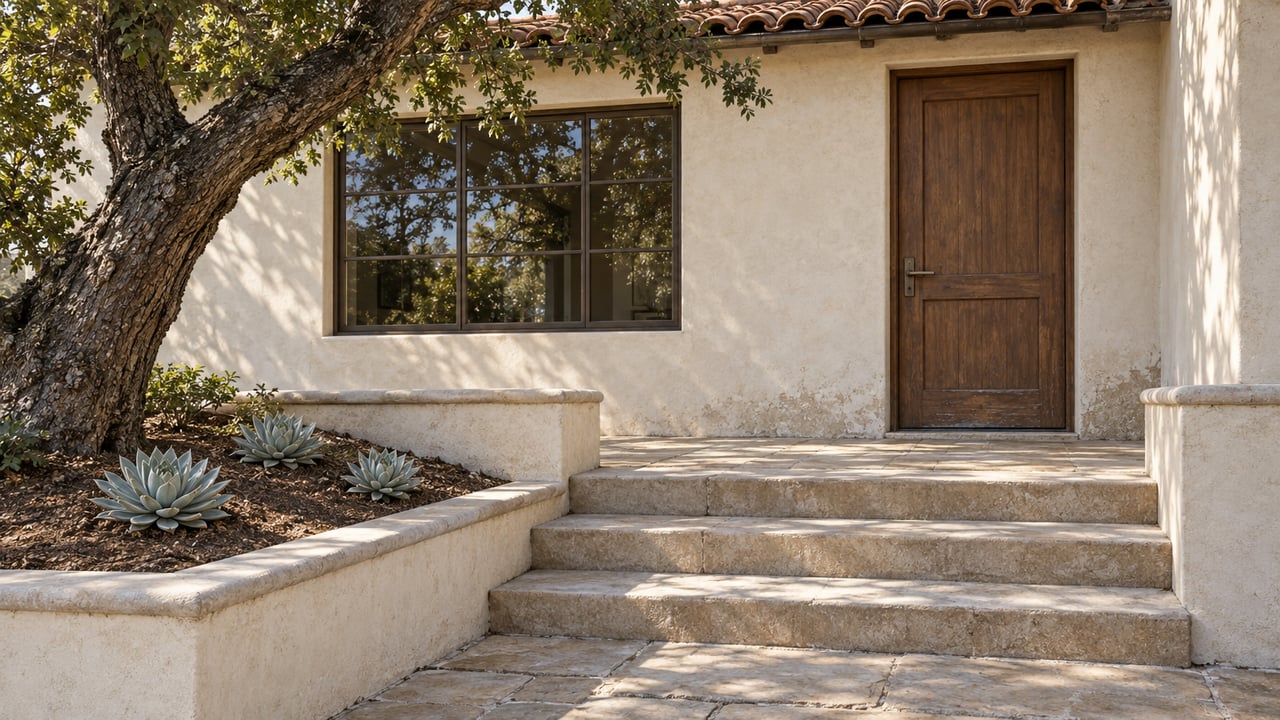
Lean into plaster, iron, tile, arches, and indoor-outdoor flow. Stage a simple outdoor room with a pair of chairs, potted olive or citrus, and lantern-style lighting.
Inside, use textured neutrals, warm woods, terracotta, and matte finishes. Avoid cool, glossy metals in primary sightlines.
Capture the courtyard or patio connection in photos. For background on design traits, see this primer on Spanish Colonial architecture.
Photography that sells the story
Online impressions come first. Book a professional who understands historic houses and plans shots around the features you want buyers to remember. Detail photos of stained glass, mantels, tile, and built-ins should sit alongside wide room views. The NAR staging snapshot underscores how much visuals shape buyer interest, so invest accordingly. Twilight exteriors can pay off for street presence and lot definition when appropriate.
Pre-listing timeline that respects preservation
- Weeks 6 to 4 out: Confirm HPOZ status, staff contacts, and what counts as conforming work. If you plan any street-visible changes or repainting, talk to City Planning early and review your HPOZ plan. Start with your area’s HPOZ page.
- Weeks 4 to 2 out: Deep clean, repair in-kind, declutter, and stage the living room, kitchen, and primary bedroom first. Book your photographer for the day staging is complete and share a shot list that includes close-ups of original details. Prioritize visual clarity that supports buyer visualization per the NAR snapshot.
- Weeks 2 to list: Final touch-ups and photos. Assemble a simple property booklet that inventories original features, notes recent mechanical updates, and includes any permits or review confirmations. If applicable, include information on local assistance like the NHS LA County Historic Home Rehabilitation Program.
What to include in your listing packet
- A one-page inventory of original features with photos.
- HPOZ status, relevant plan excerpts, and any approvals or permits obtained.
- Receipts or records for repairs, upgrades, and routine maintenance.
- A color reference sheet with two or three historically aligned paint options you considered, anchored by a resource like the Historic Color Collection.
- A short resource list that points buyers to neighborhood history via West Adams Heritage Association and to the city’s HPOZ information.
Work with a design-first local
Staging a historic West Adams home is about balance. When you respect original fabric, make modern livability clear, and photograph the story with an editorial eye, you attract both preservation-minded buyers and those seeking timeless charm with convenience. If you want a partner who blends brokerage expertise with tasteful curation and measurable value-add, connect with Joanna Steinberg. Let’s present your home beautifully and authentically.
FAQs
What is an HPOZ and why does it matter for West Adams staging?
- An HPOZ is a Historic Preservation Overlay Zone that regulates street-visible changes to protect neighborhood character. In West Adams, several subareas have HPOZs, so confirm status and review requirements before any exterior staging or repainting using the city’s HPOZ resources.
Which rooms should I stage first in a historic West Adams home?
- Focus on the living room, primary bedroom, and kitchen, since buyers respond most to these spaces. The NAR 2025 staging snapshot highlights them as top priorities.
How can I show modern updates without clashing with period style?
- Use simple, neutral fixtures and finishes that complement original details and keep documentation for permitted work. Local programs like the NHS LA County Historic Home Rehabilitation Program also emphasize the value of clear records.
What exterior changes are safe to make before listing in an HPOZ?
- Stick to reversible, light-touch improvements like cleaning, landscape tidying, and restrained porch seating. For repainting or any visually dominant change, consult your HPOZ Preservation Plan and the city’s preservation code section to determine if review is needed.
How do I pick paint colors that fit my home’s period?
- Start with historically referenced palettes and your specific HPOZ plan’s guidance. Vendor resources like the Sherwin-Williams Historic Color Collection can help you test options that feel period-appropriate.