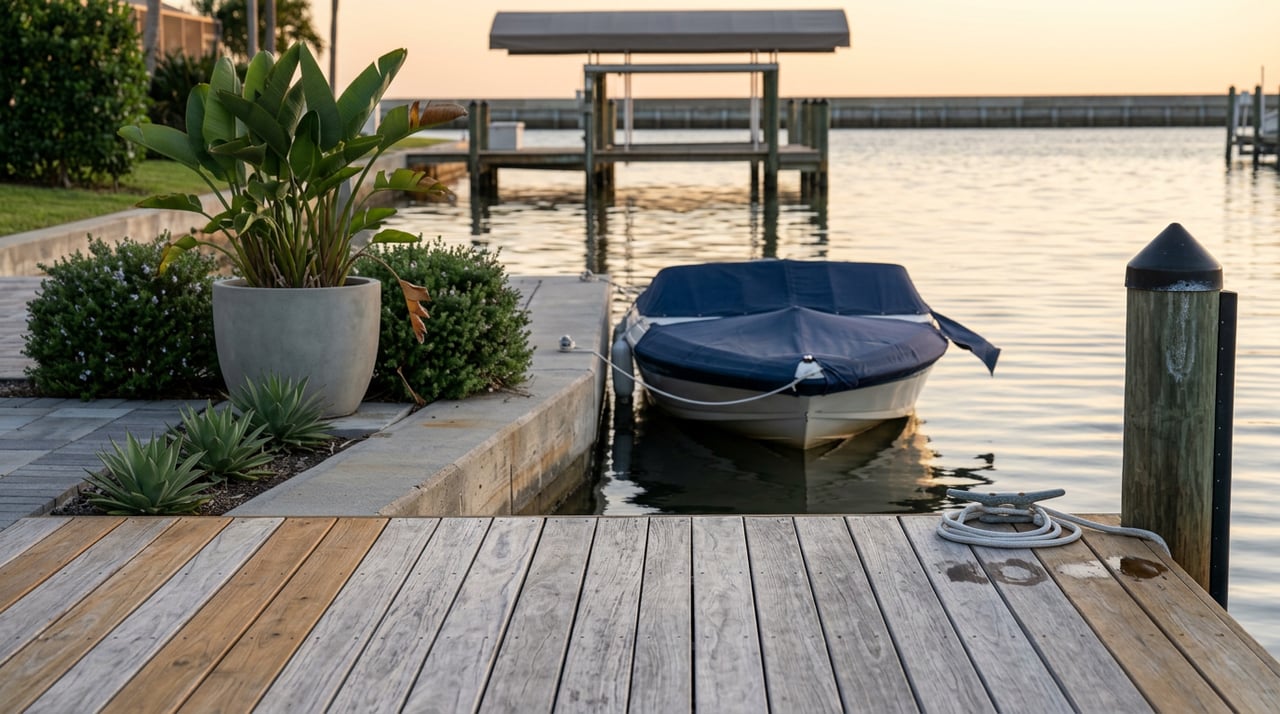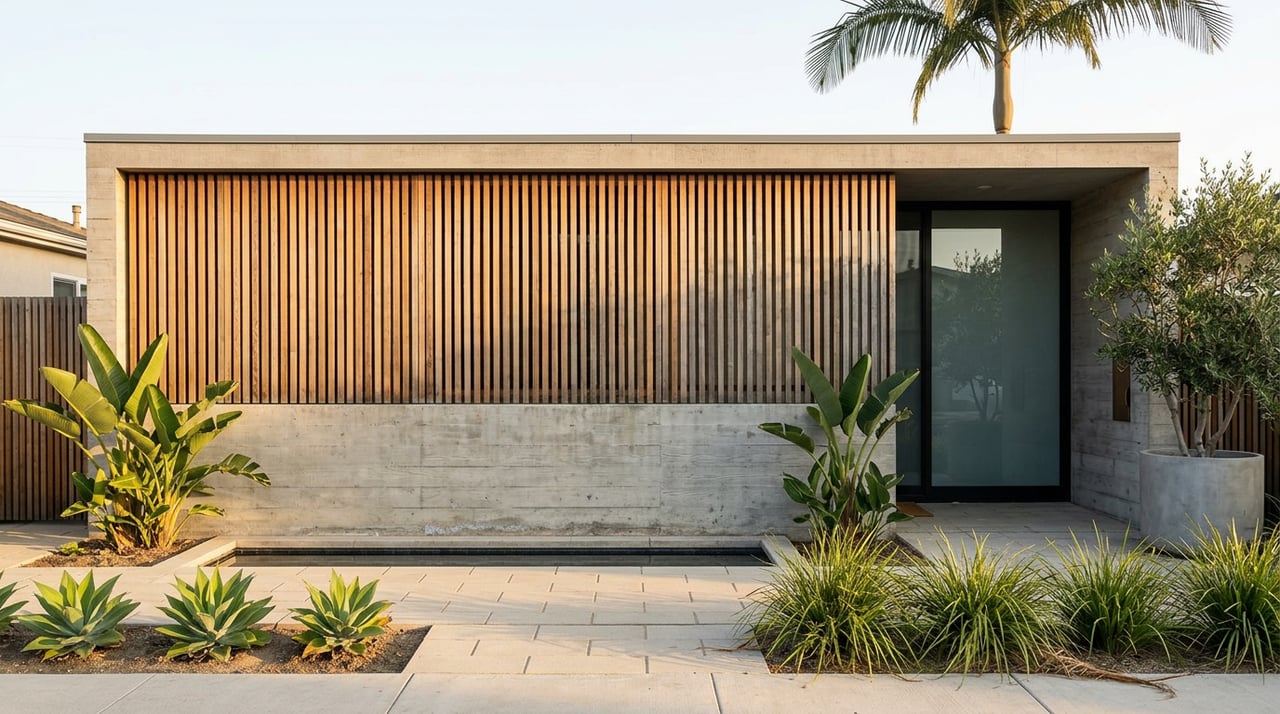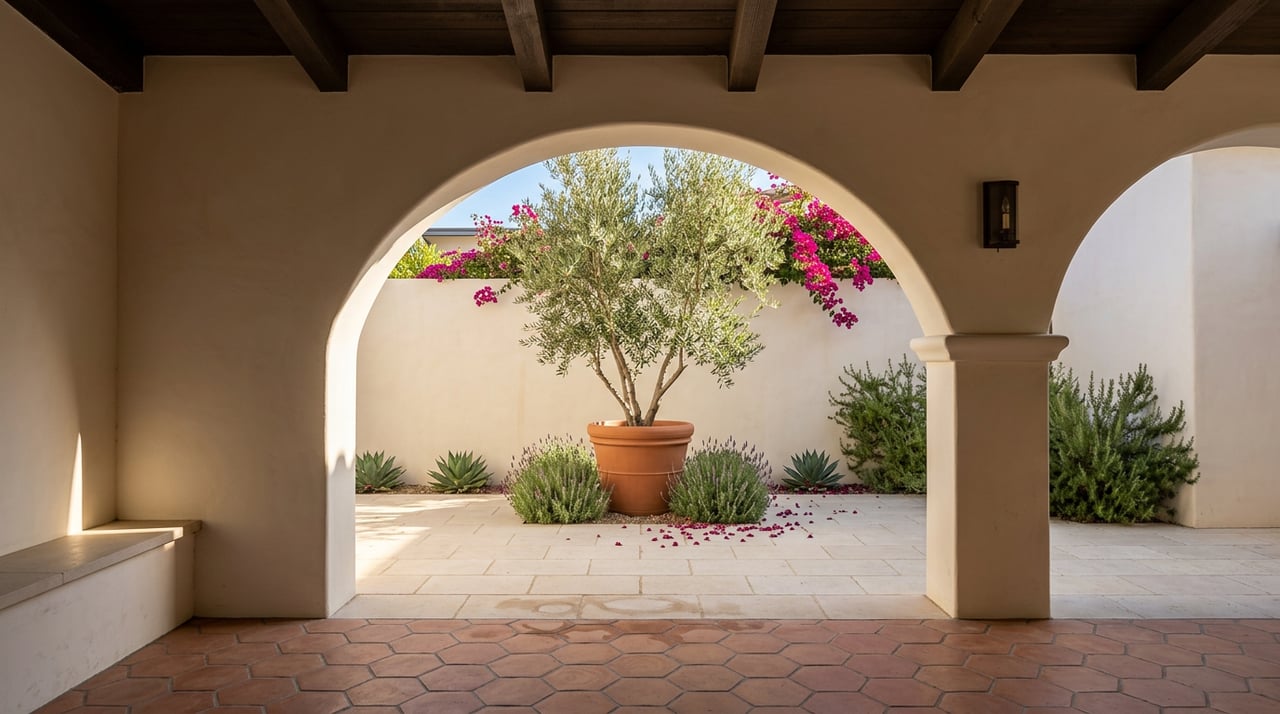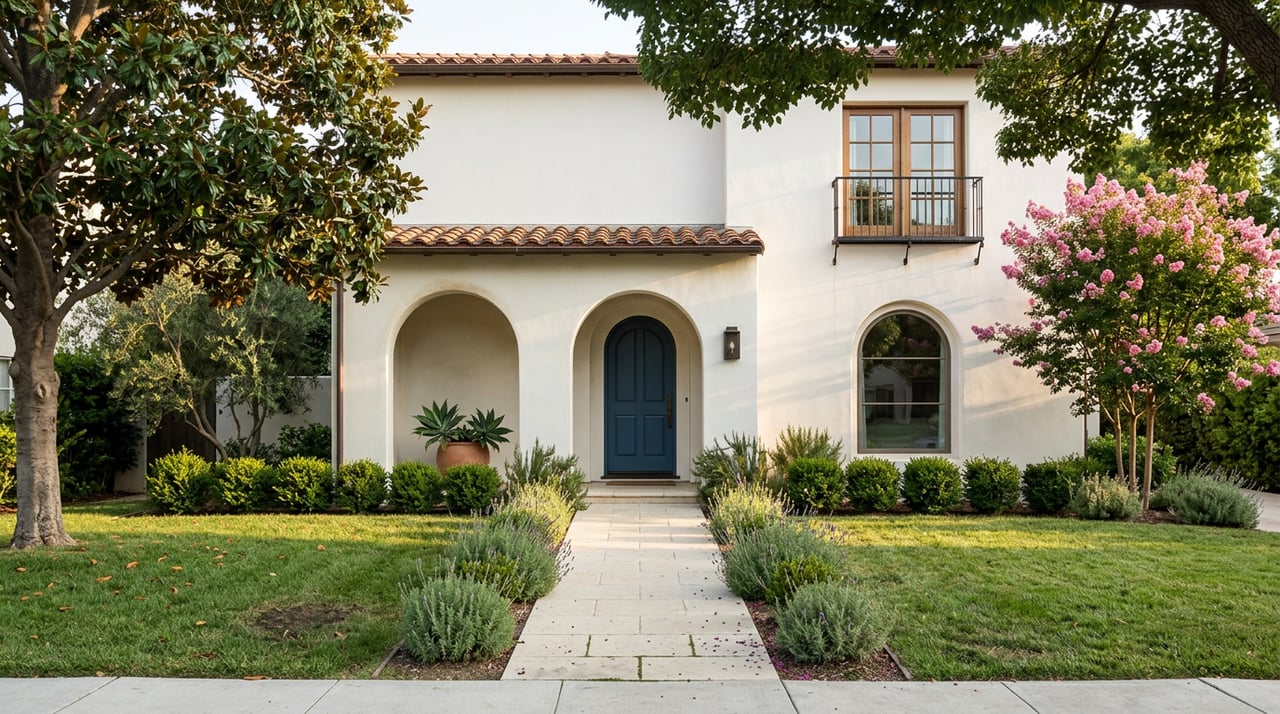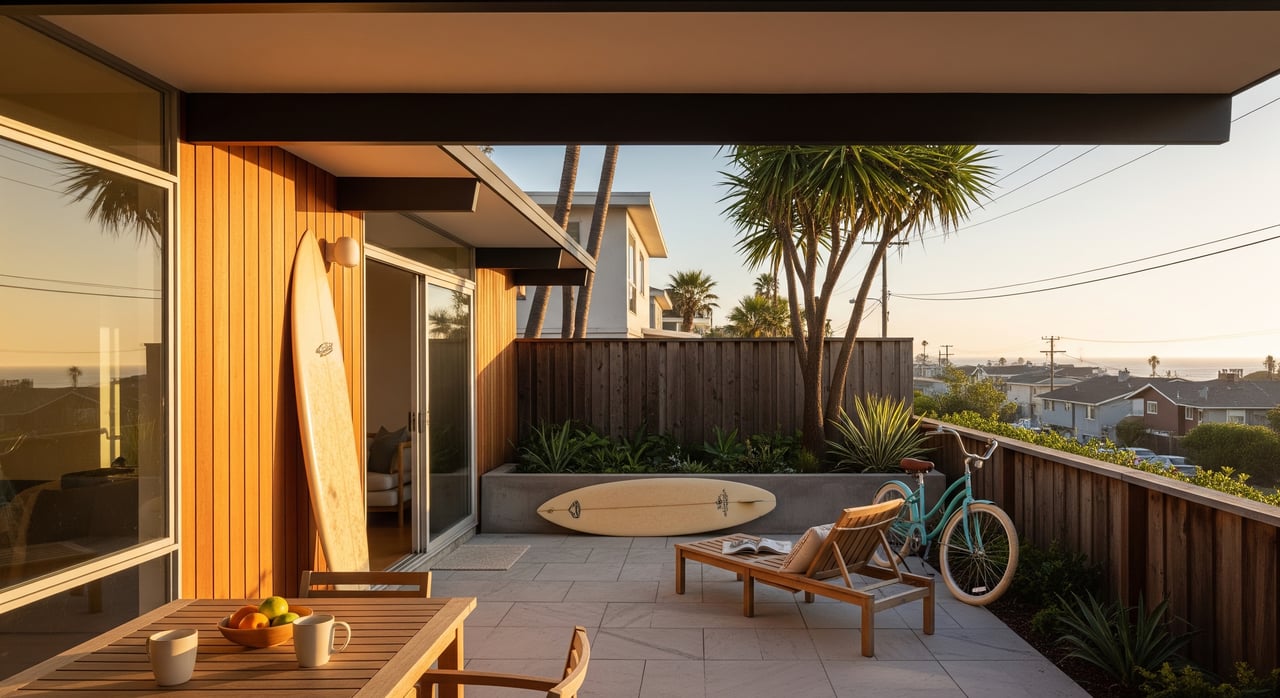
What does Venice feel like when the crowds fade and the boardwalk quiets down? If you are exploring a move to the Westside, you want to know the daily rhythm, not just the postcard views. This guide gives you a clear picture of everyday life in Venice, from micro-neighborhood vibes to commuting, housing, and weekend rituals. Let’s dive in.
Venice at a glance
Venice sits on Los Angeles’s Westside along the coast, bordered by Santa Monica to the north and Marina del Rey to the south. You move through it on a few main spines: the beachfront promenade, Abbot Kinney Boulevard, Venice Boulevard, and Lincoln Boulevard. Each corridor shapes how you live, shop, and get around.
Several micro-areas define the neighborhood’s feel:
- Boardwalk and beachfront: lively, visitor-heavy, and a daily fitness hub for locals who run, skate, or surf.
- Venice Canals: quiet residential paths and bridges that invite evening walks and low-key dog strolls.
- Abbot Kinney Boulevard: the neighborhood’s high street for shopping, galleries, and dining.
- Oakwood: a historic residential area with deep community roots and a mix of homes.
- East of Lincoln: more car-oriented pockets that transition toward Culver City and the 10.
The coast shapes daily movement. The Marvin Braude Bike Trail runs through Venice and connects you to Santa Monica and Marina del Rey. It is part scenic route, part practical north–south commute for bikes and e-scooters.
A day in the life
On weekdays, mornings start early. You see surfers paddling out at dawn, runners on the sand, and neighbors cycling along the Strand before work. Local cafés fill with remote workers and school drop-offs, and errands cluster along Abbot Kinney where you can walk block to block.
Midday tends to be practical. Many people run to small markets for quick groceries, then return home or head back to work. The canals are calm for a short loop, especially if you want a break from the boardwalk’s energy.
Evenings feel social. You might catch a Pilates or yoga class, meet friends on Abbot Kinney, or take a sunset walk. On weekends, residents often time things carefully. Tourist traffic rises along the boardwalk and main arteries, so locals shift beach time to early mornings or venture to quieter stretches nearby.
Everyday rituals
- Morning: surf check, quick coffee, then bike or walk to errands.
- Midday: sandwich run or taco stop, short canal walk, or remote work from a café.
- Evening: fitness class, casual dinner, sunset on the beach.
These patterns change with the seasons. Summer brings more visitors and more activity along the coast. Many residents plan errands during off-peak times to keep it easy.
Getting around
Venice rewards short trips by foot or wheels. If you live near the beach, the canals, or Abbot Kinney, you can handle many daily needs without a car. Bikes and e-scooters are common for errands, and the Strand offers a safe-feeling corridor for north–south movement.
Driving is still part of life for many. Lincoln Boulevard and Venice Boulevard are major routes, and traffic can stack up during commute peaks and summer weekends. If your job is inland or requires freeway access, expect travel times to vary.
Public transit is bus-based. You can combine bus routes with biking or rideshare for a hybrid commute. Transit can be slower than driving depending on where you are headed, so test your route during the times you plan to travel.
Parking and permits
Parking pressure is real near the beach and Abbot Kinney. Many residential blocks have permit rules, and meters turn over quickly in commercial zones. If you host visitors, plan ahead and check current City of Los Angeles parking guidelines. If you are moving in, ask about off-street parking or storage for bikes and boards. A dedicated spot or secure storage adds daily ease.
Housing and home styles
Venice offers a mix of single-family homes, older beach cottages, multi-unit apartments, and newer condominiums. You will find renovated historic houses near the canals, architect-driven new builds on small lots, and classic apartment buildings closer to the main streets. Many homes have been updated over time, so finishes vary more here than in tract neighborhoods.
Demand is steady. Coastal access and lifestyle keep prices above citywide averages, and turnover is frequent. Short-term rentals and second-home ownership exist in parts of the neighborhood and can influence availability on certain blocks. Regulations apply, so review current city rules if you are considering rental strategies.
If you value design, Venice is a place where thoughtful interiors matter. Natural light, indoor-outdoor flow, durable finishes for sand and salt air, and storage for boards and bikes all carry real day-to-day value. A well-edited layout can make smaller footprints live bigger.
Costs and trade-offs
Living in Venice often means paying a premium for coastal proximity and an active street life. You gain quick access to the beach, fitness on your doorstep, and a dense mix of cafés and shops. The trade-offs include higher housing costs, tourist traffic at peak times, and parking constraints near the core.
Safety perceptions vary by block and time of day. Tourist density can raise the risk of petty theft near the boardwalk. Residential areas like the canals feel quieter. Venice, like much of Los Angeles, has visible homelessness, especially near the coast and transit corridors. As always, review local data and walk the routes you plan to use.
Community and culture
Venice’s history is visible in the canals and its creative energy. Street art, small galleries, and independent businesses speak to a long tradition of making and design. Abbot Kinney serves as a creative-commerce spine where residents meet, eat, and browse.
The neighborhood has also experienced redevelopment and rising housing costs over time. Conversations about gentrification, displacement, and affordability are part of community life. You will see this reflected in neighborhood council meetings and local reporting.
Events and markets pop up throughout the year. Farmers’ markets and street fairs bring people out on weekends, and beach facilities support volleyball, basketball, lifeguarded swimming, and the iconic skate park. Residents tend to time their outings to avoid the heaviest crowds.
Services and daily needs
Grocery shopping is a mix. You will rely on small specialty markets, bakeries, and nearby supermarkets for weekly staples. Many residents make frequent, smaller runs rather than one big shop.
Healthcare is close by. You have local primary and urgent care options, with larger hospitals a short drive away in Santa Monica and Culver City. Banking, postal, and municipal services are spread across small centers in and around Venice.
Families have options across public and private schools in Venice and neighboring communities. Programs and openings can vary by year. If schools are a priority, plan visits and verify details early to build your timeline around application cycles.
Choosing your fit
Start with how you want to live day to day:
- If you want maximum walkability and café culture, look near the beach, the canals, or close to Abbot Kinney.
- If you value lower-key evenings and a quieter block, explore canal-adjacent streets or pockets set back from the boardwalk.
- If you need faster access inland, consider areas closer to Lincoln or Venice Boulevard and map your commute during rush hour.
- If you are a daily biker or surfer, prioritize secure storage and easy access to the Strand or your preferred break.
Tour at different times. Visit on a summer weekend and a quiet weekday morning. Walk to coffee, the beach, and the nearest market as if you already live there. The best match is the one that makes the everyday feel seamless.
Buyer and seller tips
For buyers, look past the postcard and focus on layout, light, and storage. A smart floor plan and good outdoor space can transform how a Venice home lives. For sellers, presentation has outsized impact. Editorial staging and crisp merchandising help buyers see how the home supports the Venice rhythm.
Investors considering furnished or short-term strategies should review current regulations and seasonal demand patterns. The coastal setting commands attention, but compliance and quality of presentation are what sustain performance.
Ready to explore Venice
If you are drawn to the beach, bikeable mornings, and a neighborhood that blends creativity with everyday ease, Venice can be a great fit. The key is matching your priorities to the right micro-area and home style, then presenting or customizing the property to support your routine. If you want design-forward guidance and a clear plan from search to styling, connect with Joanna Steinberg for a tailored strategy.
FAQs
Can you live in Venice without a car?
- Many residents do, especially near the beach, canals, or Abbot Kinney, by walking, biking, and using buses or rideshare for longer trips, though car ownership is still common for regional commutes.
How safe is it to walk in Venice at night?
- Safety varies by block and time; tourist areas can see petty theft, while residential pockets are quieter, so review local data and stick to well-lit, familiar routes.
Is the beach always crowded in Venice?
- Crowds peak on summer weekends and holidays, while weekday mornings and shoulder seasons are typically quieter for walks, workouts, or surf.
How does Venice compare to Santa Monica or Marina del Rey?
- Venice feels more eclectic and creative with a lively street scene, Santa Monica has larger-scale commercial infrastructure, and Marina del Rey centers on the marina with a calmer residential vibe.
What is parking like for residents in Venice?
- Expect pressure near the beach and Abbot Kinney; many blocks use permits and meters, so confirm rules, guest options, and on-site parking when you tour homes.
What types of homes are common in Venice?
- You will find renovated cottages, contemporary single-family builds, classic apartments, and newer condos, often with varied finishes and layouts shaped by lot size and coastal living.