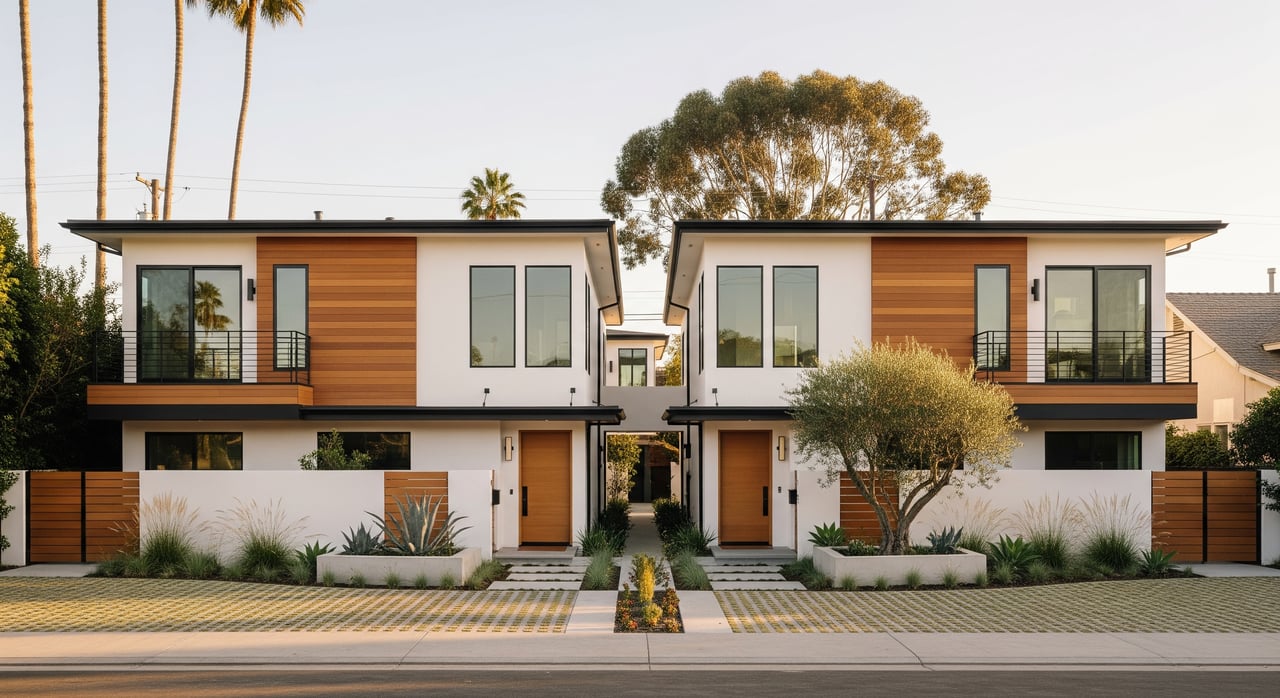
Eyeing a Mar Vista bungalow with dreams of splitting the lot for more housing or investment income? You are not alone. SB 9 opened a faster, ministerial path to create new parcels and add homes on qualifying single‑family lots, but feasibility in Mar Vista is highly parcel specific. In this guide, you will learn what SB 9 allows, how Los Angeles applies it, and the practical site and cost issues that matter before you write an offer. Let’s dive in.
SB 9 in plain English
SB 9 gives you a ministerial pathway to do two things on qualifying single‑family parcels: split one lot into two and build up to two homes per lot. In a best‑case scenario, that can mean two parcels and up to four total homes. Ministerial means objective review only, no discretionary design hearings. You still must meet all objective zoning and building standards, and you still need full permits and inspections.
If you want the legal basics, review the SB 9 statutory text. The law sets statewide rules and leaves cities room to apply objective local standards and a ministerial process.
How Los Angeles applies SB 9
The City of Los Angeles has adopted an SB 9 ordinance, checklists, and ministerial procedures. The City uses parcel overlays and mapping tools to determine eligibility and constraints. Your first stop should be a parcel lookup in the City’s ZIMAS parcel tool to see zoning, overlays, historic flags, and hillside or hazard areas that could affect eligibility.
Los Angeles applies objective standards during review. Parking, setbacks, height, and lot coverage are still enforced where they are defined objectively. Even if your split is approved, you will still go through plan check, utilities sign‑offs, and building permits with the Los Angeles Department of Building and Safety.
Parcel exclusions to check in Mar Vista
Mar Vista’s mostly flat, interior blocks look straightforward, but SB 9 has firm exclusions. Before you assume a split, verify these common issues:
- Historic resources and local historic districts. Designated resources or parcels in historic districts are often ineligible.
- Hillside or special plan areas. Parcels in mapped Hillside areas or specific plans can be restricted or excluded.
- Environmental or hazard overlays. Landslide, liquefaction, or very high fire hazard severity overlays can limit ministerial approval.
- Recorded restrictions and HOA rules. Private CC&Rs and easements are still enforceable and can prohibit lot splits or added units.
- Recent unit removal. If units were removed in the prior 10 years, replacement housing rules may apply.
Use ZIMAS for overlays and ask a title company to flag recorded covenants. For recorded documents, search with the Los Angeles County Registrar‑Recorder/County Clerk.
Design, setbacks, and massing
Objective development standards continue to shape what you can build. Front, side, and rear yard setbacks, height limits, and lot coverage rules apply to each new parcel. On many Mar Vista blocks, long and narrow lots limit how you can site new structures and where parking can go. You should expect privacy and massing to be guided by setbacks and window placement rules, even without discretionary design review.
Irregular or corner lots can be harder to split in a useful way. A split that creates a landlocked parcel without legal street access will not pass ministerial standards. Easements can solve access in some cases, but they take planning and legal work.
Parking and access basics
Parking requirements in Los Angeles depend on the municipal code and parcel context. Some small infill units near transit may be eligible for reduced or no additional parking, while other locations will require at least one off‑street space per new unit. On narrow parcels, providing parking and safe maneuvering space can drive the entire design.
Curb cuts are not unlimited. Streets with mature street trees or local standards may restrict new or widened driveways. Plan early for shared driveways or tandem solutions if separate curb cuts are limited.
Utilities, stormwater, and inspections
Adding homes means confirming water, sewer, gas, and electrical capacity. Older Mar Vista parcels often need upgrades like new meters, sewer lateral replacement, or electrical service increases. If your project increases impervious area or needs retaining walls or grading, plan for stormwater management and low impact development compliance. All work is reviewed during plan check and field inspections through LADBS and related agencies.
Cost, timing, and financing reality
Ministerial does not mean instant. You will still navigate application completeness checks, plan review, public works conditions, and utility coordination. Local staffing and backlogs affect timelines.
Expect these common cost drivers:
- Professional fees. Survey, civil engineering, architecture or planning, and sometimes geotechnical work.
- Site work. Sewer lateral repairs, utility trenching, stormwater measures, and possible retaining walls.
- Permit and impact costs. Application fees for the lot split, building permits, and inspections.
Financing can be different for a split versus a single parcel. Many lenders underwrite construction and takeout loans differently and may not fund before the parcel map records. Clarify your options early so your purchase timeline and entitlement steps stay aligned.
For broader market context on small‑scale infill, see the Terner Center overview of SB 9 impacts.
ADUs and stacking rights
SB 9 is separate from California’s ADU laws. Some projects can combine SB 9 with ADUs or Junior ADUs on the resulting parcels. Local rules can limit stacking, and objective standards still apply. Verify the latest City guidance before you assume additional ADU yield on top of an SB 9 split.
Step‑by‑step evaluation checklist
- Preliminary parcel check
- Run the address in ZIMAS to confirm zoning, overlays, and flags like historic status or hillside.
- Have a title search completed for covenants, easements, and CC&Rs that could limit splits or added units.
- City of Los Angeles SB 9 materials
- Download the City’s SB 9 checklists and guidance and confirm current parking, replacement housing, and ministerial standards.
- Consider a pre‑application touchpoint with City Planning to surface potential red flags.
- Build your professional team
- Engage an architect or planner experienced with SB 9 in Los Angeles and a licensed surveyor.
- Add a civil engineer early if slopes, drainage, or retaining walls are likely.
- Utilities and site feasibility
- Schedule a plan check consultation with LADBS and contact utility providers to understand meter, capacity, and sewer lateral requirements.
- Financing and title diligence
- Speak with lenders who understand SB 9, construction lending, and takeout options after the lot split.
- Order a preliminary title report to identify restrictions and easements.
- Community and resale considerations
- Study demand for small homes or duplexes in Mar Vista. Design to fit neighborhood scale for better marketability.
- If you plan long‑term rentals, confirm local owner‑occupancy and short‑term rental restrictions.
- File and follow the process
- Prepare the ministerial SB 9 application and related building permit submittals per City checklists.
- Track parallel reviews for public works, utilities, and inspections to keep the schedule moving.
What this means for your strategy
SB 9 can unlock real value in Mar Vista when the parcel, design, and numbers line up. The headline is simple: feasibility is about details. Parcel overlays, recorded restrictions, access and parking, and utility capacity often decide whether you get one extra unit, two smaller homes, or a clean lot split with two new addresses.
If you are evaluating a specific property, do the parcel‑level homework first and model a conservative yield. Design within objective standards, plan for upgrades, and give yourself a realistic timeline from map to move‑in. Thoughtful scale and a polished interior program tend to perform best when it is time to lease or sell.
Ready to explore SB 9 opportunities in Mar Vista with a design‑led, results‑oriented approach? Let’s talk about the parcel you have in mind and the outcome you want. Work with Joanna Steinberg to align your search, feasibility, and presentation for the strongest market result.
FAQs
Does SB 9 allow me to split any single‑family lot in Mar Vista?
- No, eligibility depends on state rules and Los Angeles objective standards, plus parcel overlays and recorded restrictions verified through ZIMAS and title.
How many homes can I build after an SB 9 lot split in Los Angeles?
- SB 9 enables up to two parcels and up to two units per parcel, but site constraints, parking, ADU limits, and objective standards often reduce the feasible yield.
Will there be a neighborhood hearing for my SB 9 project in Mar Vista?
- SB 9 projects are reviewed ministerially if they meet objective standards, so no discretionary design hearing is required.
Do I have to replace previously removed housing units on the property?
- If units were removed within the past 10 years, replacement housing rules can apply under state and local law, which can affect feasibility.
Can HOA rules or CC&Rs block an SB 9 lot split in Los Angeles?
- Yes, private covenants and HOA restrictions remain enforceable and can prohibit subdivision or additional units even if the parcel otherwise qualifies.
Can I combine SB 9 with ADUs on my Mar Vista lot?
- Sometimes, but local rules can limit stacking with ADUs and Junior ADUs, so verify the latest City guidance before counting those units.
What are typical timeline and cost drivers for SB 9 projects in Mar Vista?
- Plan check, public works conditions, utility upgrades, professional fees, and inspections add time and cost beyond the ministerial split approval.